
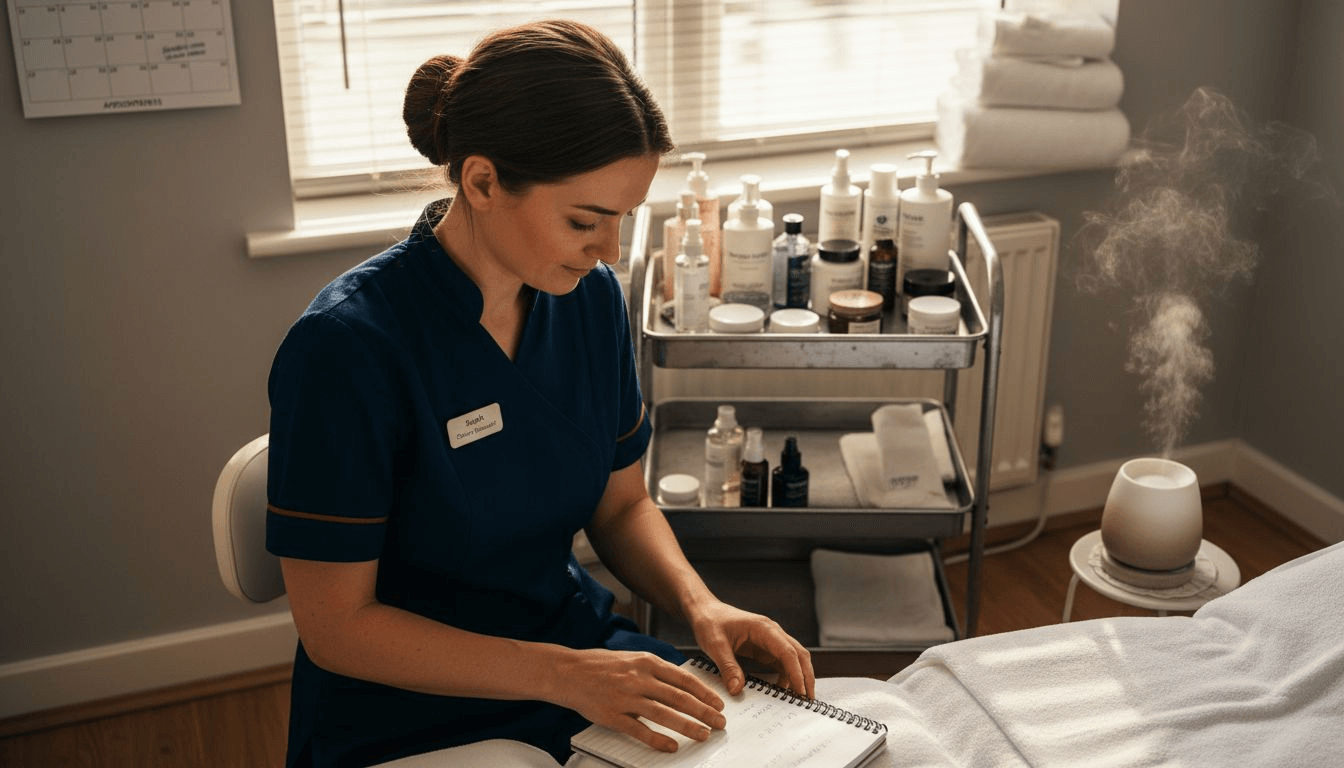
Choosing a career in beauty therapy can feel daunting when common myths overlook the field’s true depth and impact. For aspiring professionals in London and Essex, understanding the reality of this profession means seeing it as more than just appearance enhancement. With the right accredited, fast-track training, you gain both technical expertise and the ability to truly transform client confidence and well-being. Beauty therapy is a complex professional practice that nurtures both skill and self-esteem.
Table of Contents
- Defining Beauty Therapy And Common Myths
- Key Skills And Qualifications Needed
- Accreditation And Legal Requirements In The UK
- Career Paths And Real-World Opportunities
- Personal Empowerment And Self-Esteem Benefits
Key Takeaways
| Point | Details |
|---|---|
| Comprehensive Training | Beauty therapy requires extensive training in both technical skills and client care, emphasizing the importance of accredited programmes. |
| Importance of Personal Qualities | Successful beauty therapists combine technical expertise with strong interpersonal skills, such as empathy and communication. |
| Regulatory Changes | The UK beauty therapy sector is evolving with new regulations aimed at enhancing professional standards and consumer safety. |
| Psychological Benefits | Beauty therapy promotes significant emotional and psychological well-being, fostering self-esteem and personal empowerment among clients. |
Defining Beauty Therapy and Common Myths
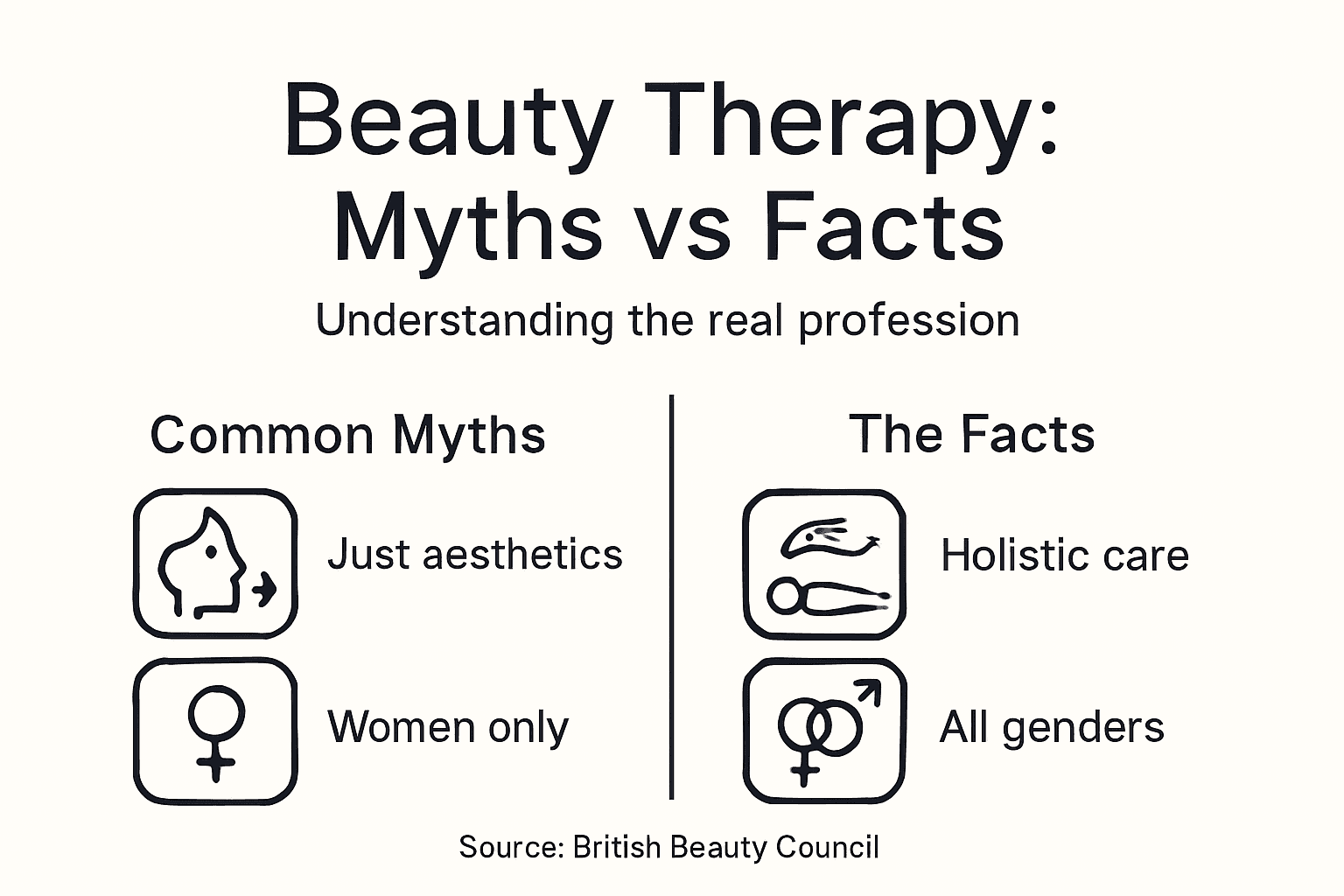
Beauty therapy represents a professional discipline that goes far beyond superficial appearance enhancement. Complex professional practice involves comprehensive skills encompassing technical expertise, client care, and personal development. It is a nuanced field that requires significant training, understanding of human physiology, and interpersonal communication.
Many people mistakenly view beauty therapy as a simple, cosmetic-focused profession. However, the reality is dramatically different. Beauty therapists are highly trained professionals who:
- Provide specialised skin and body treatments
- Understand advanced dermatological principles
- Offer holistic wellness approaches
- Develop personalised client care strategies
- Utilise sophisticated technical equipment and techniques
The British Beauty Council highlights that beauty therapy is not merely about aesthetic improvements, but about promoting confidence, well-being, and personal transformation. Professionals in this field are trained to address both physical and psychological aspects of client care.
The gendered stereotypes surrounding beauty therapy often misrepresent the profession’s depth and complexity. Academic research demonstrates that beauty therapy training involves rigorous technical skill development, professional conduct standards, and a nuanced understanding of social and economic factors influencing personal care.
Pro tip: Research accredited training programmes that offer comprehensive theoretical and practical skills to build a robust foundation in beauty therapy.
Key Skills and Qualifications Needed
Building a successful career in beauty therapy requires a comprehensive blend of technical expertise and personal attributes. Beauty therapy qualifications range from entry-level diplomas to advanced professional certifications, providing multiple pathways for aspiring professionals.
Practical skills are fundamental to becoming a successful beauty therapist. Key technical competencies include:
- Advanced skincare treatments
- Waxing and hair removal techniques
- Manicure and pedicure procedures
- Facial and massage therapies
- Makeup application and beauty consultation
- Professional use of specialised equipment
Personal qualities are equally critical in this profession. Successful beauty therapists demonstrate exceptional interpersonal skills, including:
- Outstanding communication abilities
- High levels of empathy and emotional intelligence
- Meticulous attention to detail
- Professional conduct and discretion
- Ability to work independently and collaboratively
Professional beauty therapists must balance technical expertise with genuine client care and understanding.
According to industry standards, aspiring beauty therapists typically need comprehensive training in legal standards and safe working practices. Qualifications often include theoretical knowledge and practical experience, ensuring graduates are fully prepared for professional environments.
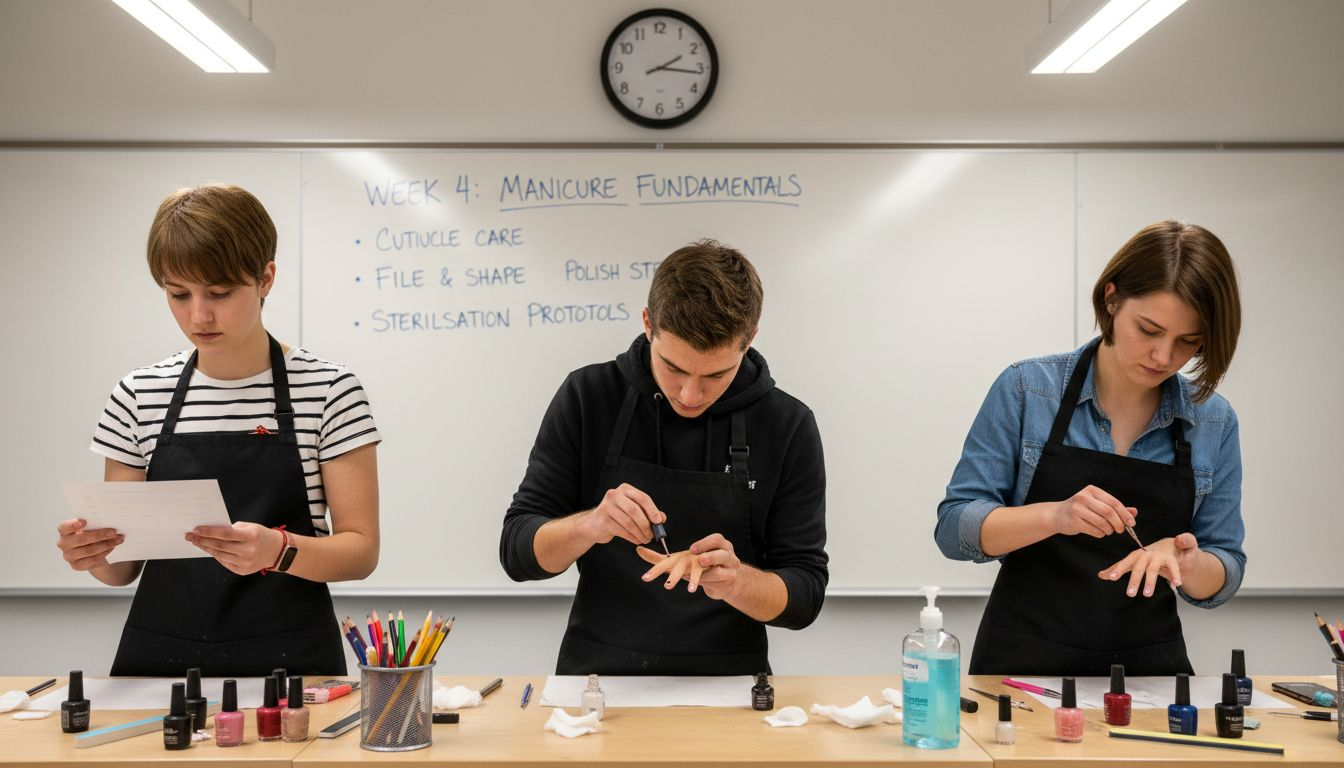
Pro tip: Choose accredited training programmes that offer both practical workshops and comprehensive theoretical modules to develop a well-rounded skill set.
Here is a summary of how key skills and personal attributes work together for beauty therapists:
| Skill Type | Importance in Practice | Example Application |
|---|---|---|
| Technical Expertise | Delivers effective treatments | Advanced facial therapies |
| Personal Qualities | Builds client trust | Empathy during consultation |
| Professional Conduct | Ensures legal compliance | Adherence to safety protocols |
| Communication Skills | Enhances client experience | Personalised advice sessions |
Accreditation and Legal Requirements in the UK
The beauty therapy sector in the United Kingdom is undergoing significant regulatory transformation, with new licensing schemes designed to enhance professional standards and protect public safety. These emerging regulations represent a critical shift towards more comprehensive professional oversight in the beauty industry.
Key regulatory developments for beauty therapists include:
- Mandatory qualifications for specific treatments
- Comprehensive hygiene and safety standards
- Professional registration requirements
- Tiered licensing based on procedure complexity
- Ongoing professional development obligations
The Health and Care Act 2022 provides a robust framework for regulating aesthetic procedures, distinguishing between different levels of treatment risk. This legislation empowers regulatory bodies to:
- Establish clear professional competency standards
- Create comprehensive training requirements
- Implement strict safety protocols
- Protect consumer interests
- Maintain high-quality professional practice
Professional accreditation is not just a credential, but a commitment to excellence and client safety.
According to the British Beauty Council’s regulatory guidance, healthcare professionals will oversee high-risk treatments, ensuring a multilayered approach to practitioner qualification and patient protection. This approach demonstrates the industry’s dedication to elevating professional standards and maintaining rigorous ethical practices.
Pro tip: Always verify your training programme’s accreditation status and ensure it meets the latest UK regulatory requirements for beauty therapy professionals.
Career Paths and Real-World Opportunities
The beauty therapy industry offers an incredibly diverse range of dynamic career opportunities that extend far beyond traditional salon work. Professionals can explore multiple career paths, each offering unique challenges and potential for personal and professional growth.
Key career pathways in beauty therapy include:
- Salon therapist
- Spa manager
- Makeup artist
- Freelance beauty professional
- Product development specialist
- Brand representative
- International beauty consultant
- Training and education specialist
Professional progression typically follows a structured trajectory, with opportunities to advance based on skills, specialisation, and experience. Many beauty therapists start in entry-level positions and develop their careers through:
- Gaining specialised certifications
- Building a robust client network
- Developing advanced technical skills
- Exploring entrepreneurial opportunities
- Pursuing management roles
Success in beauty therapy is about continuous learning and adapting to industry trends.
According to industry research, beauty therapy apprenticeships provide an excellent foundation for professionals seeking financial independence and creative expression. The industry’s global nature means therapists can potentially work across different countries, specialise in niche areas, or even establish their own businesses.
Pro tip: Network actively within the beauty industry and continuously update your skills to maximise your career potential and stay competitive in this dynamic profession.
The following table outlines how different beauty therapy careers align with advancement opportunities:
| Career Path | Progression Opportunity | International Potential |
|---|---|---|
| Salon Therapist | Promotion to senior stylist | Transferable across countries |
| Spa Manager | Move into wellness consultancy | High demand in resorts |
| Brand Representative | Regional management roles | Representation at global events |
| Training Specialist | Curriculum development positions | Overseas training contracts |
Personal Empowerment and Self-Esteem Benefits
Beauty therapy transcends mere physical transformation, offering profound psychological well-being benefits that fundamentally enhance personal confidence and emotional resilience. The practice is not about conforming to external beauty standards, but celebrating individual uniqueness and promoting self-love.
Key emotional and psychological benefits of beauty therapy include:
- Increased self-confidence
- Reduced stress and anxiety
- Enhanced body positivity
- Improved mental health awareness
- Personalised self-care experiences
- Validation of individual identity
- Emotional healing and restoration
- Empowerment through professional care
Psychological research demonstrates that personalised beauty treatments provide more than aesthetic improvements. They offer therapeutic experiences that:
- Create safe, supportive environments
- Encourage self-reflection
- Validate personal worth
- Promote emotional healing
- Build positive self-perception
True beauty therapy transforms internal landscapes, not just external appearances.
According to the British Beauty Council’s well-being research, professional beauty therapies significantly contribute to mental health by providing personalised care that helps individuals feel genuinely valued and emotionally supported.
Pro tip: Choose beauty therapy treatments that align with your personal wellness goals, focusing on experiences that nurture both physical and emotional well-being.
Unlock Your Potential with Accredited Beauty Therapy Training
If you are inspired by the powerful connection between career success and personal empowerment described in this article, Medisoma Academy is here to support your journey. We understand the challenge of balancing technical expertise with emotional intelligence and self-esteem growth. Our fast track beauty therapy courses deliver both comprehensive skills and the confidence you need to thrive in this evolving profession.
Take the next step towards a rewarding career where you can build advanced treatments knowledge, develop your personal qualities, and embrace professional conduct that truly makes a difference. Explore how you can start Growing your skills and future or learn clever strategies for Monetizing your talents. Visit Medisoma now to discover a learning experience designed with your success and self-esteem at its core and begin transforming your life today.
Frequently Asked Questions
What skills are essential for a successful career in beauty therapy?
Building a successful career in beauty therapy requires a blend of technical expertise and personal attributes. Key skills include advanced skincare treatments, waxing and hair removal, manicure and pedicure procedures, and excellent communication abilities, along with empathy and attention to detail.
Why is accreditation important in beauty therapy?
Accreditation ensures that beauty therapy professionals have met industry standards and are qualified to provide safe and effective treatments. It represents a commitment to excellence, ongoing professional development, and maintaining high-quality practice in the field.
How does beauty therapy benefit self-esteem and personal empowerment?
Beauty therapy offers significant psychological benefits, such as increased self-confidence, reduced stress, enhanced body positivity, and personalised self-care experiences that validate individual identity and promote emotional healing.
What are the potential career paths in beauty therapy?
The beauty therapy industry offers various career paths, including salon therapist, spa manager, makeup artist, freelance beauty professional, and trainer. Professionals can advance through specialised certifications and by building strong client networks.