
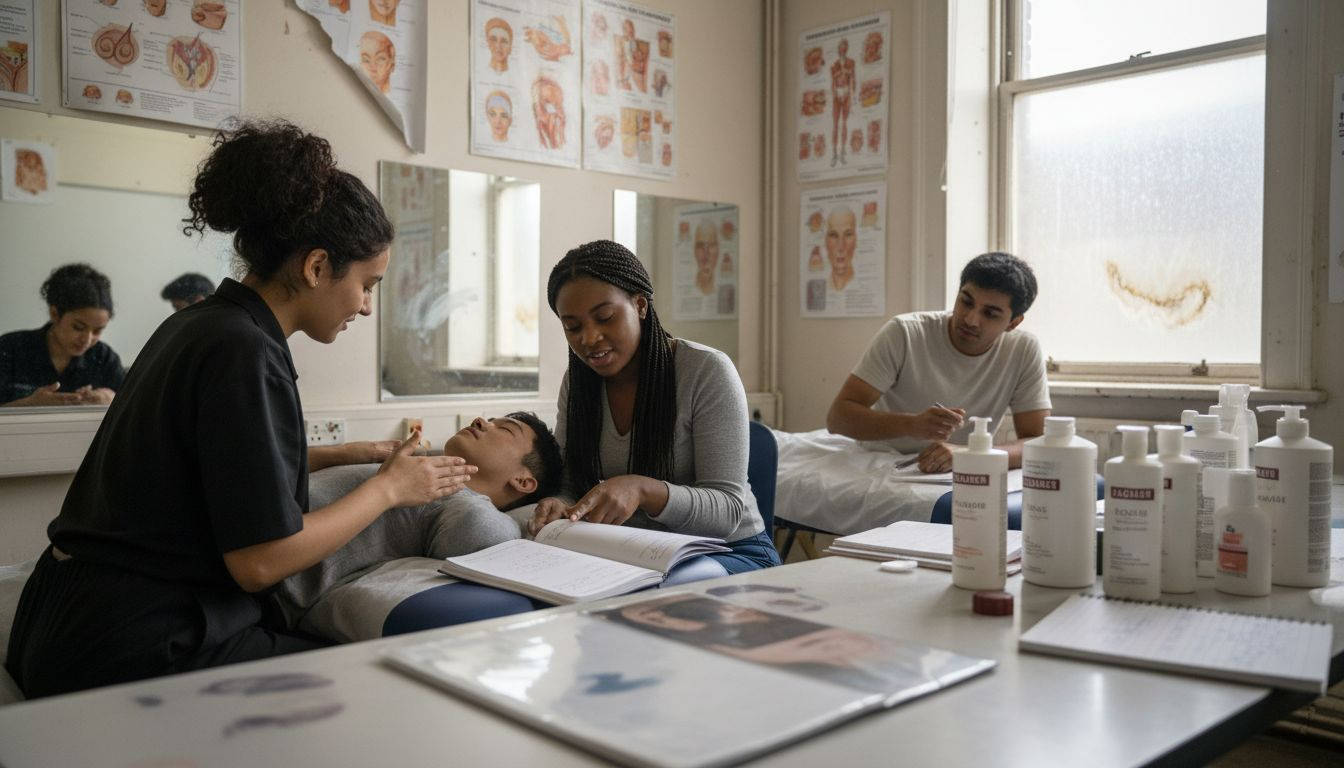
Stepping into the world of beauty therapy in London or Essex means embracing much more than glamour and cosmetics. For many young professionals, choosing accredited training is about gaining expert skills and finding real confidence in a thriving industry. Balancing technical science with wellness and self-assurance, the best courses support your ambition to stand out and succeed.
Table of Contents
- Beauty Therapy Defined And Common Misconceptions
- Types Of Accredited Beauty Therapy Courses
- UK Qualifications, Standards, And Regulatory Bodies
- Career Prospects For UK-Trained Therapists
- How Training In The UK Builds Confidence
Key Takeaways
| Point | Details |
|---|---|
| Holistic Approach to Beauty Therapy | Beauty therapy combines technical skills, scientific understanding, and aesthetic expertise to promote personal wellness and self-confidence beyond superficial treatments. |
| Accredited Courses | The UK offers various accredited beauty therapy courses that progressively build expertise, with Level 3 Diploma serving as a pivotal qualification. |
| Regulatory Standards | The beauty therapy industry in the UK maintains high standards through regulatory bodies, ensuring professionals are well-trained and ethically responsible. |
| Diverse Career Opportunities | UK-trained beauty therapists can explore a range of career paths, including salon employment, self-employment, and educational roles, with continuous professional development encouraged. |
Beauty Therapy Defined and Common Misconceptions
Beauty therapy is a sophisticated professional discipline that extends far beyond superficial cosmetic treatments. It represents a holistic approach to personal wellness, combining technical skill, scientific understanding, and aesthetic expertise. Professional beauty practitioners deliver comprehensive treatments designed to enhance physical appearance while simultaneously promoting overall well-being and self-confidence.
Contrary to popular misconceptions, beauty therapy is not merely about applying makeup or providing surface-level beauty treatments. It encompasses a comprehensive range of professional services including advanced skin analysis, therapeutic massage techniques, body treatments, facial therapies, and specialised wellness interventions. Modern beauty therapists are highly trained professionals who understand anatomy, physiology, and the intricate relationships between physical health and aesthetic appearance.
The industry recognises beauty therapy as a nuanced profession requiring significant technical knowledge and interpersonal skills. Students undertaking beauty therapy training learn complex scientific principles related to skin biology, treatment protocols, and professional ethics. They develop sophisticated understanding of how different treatments impact human physiology, requiring a blend of medical knowledge and aesthetic sensibility. Body treatments involve understanding muscular structures, skin conditions, and precise therapeutic techniques that promote healing and relaxation.
Professional Tip: When considering beauty therapy training, research comprehensive courses that offer both theoretical knowledge and practical hands-on experience to develop a robust professional skill set.
Types of Accredited Beauty Therapy Courses
The United Kingdom offers a comprehensive range of accredited beauty therapy courses designed to equip aspiring professionals with essential skills and recognised qualifications. Students can choose from multiple levels of training, each providing progressively advanced expertise and specialisation opportunities. VTCT Level 3 Combined Diploma represents a critical milestone for those seeking professional recognition in the beauty therapy industry.
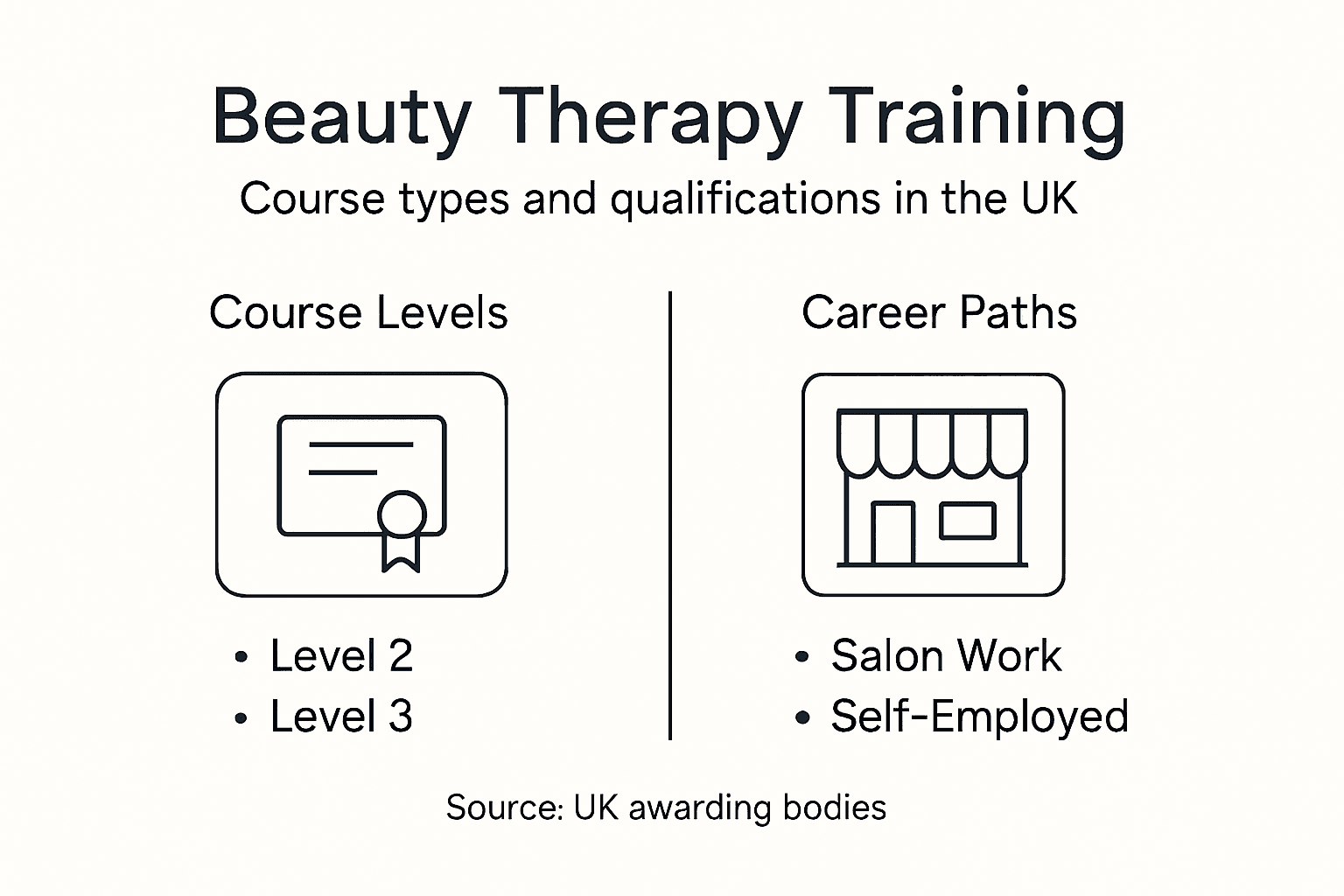
Typical beauty therapy courses in the UK are structured across several key levels, providing clear progression pathways for students. These typically include:
- Level 2 Beauty Therapy Certificate: An introductory qualification covering fundamental beauty treatments and basic professional skills
- Level 3 Beauty Therapy Diploma: An advanced programme offering comprehensive training in complex treatments and professional practice
- Level 4 Advanced Beauty Therapy Diploma: Specialist training for therapists seeking expert-level qualifications and advanced technical skills
Each course level builds upon previous knowledge, allowing students to develop increasingly sophisticated techniques and understanding of professional beauty therapy practice. The Level 3 Diploma, in particular, provides a robust foundation for professional practice, covering advanced skin analysis, therapeutic massage techniques, and comprehensive client care protocols.
Professional Tip: Research course accreditation carefully and select programmes offering both theoretical knowledge and practical training to maximise your professional development opportunities.
Here is a summary of how key UK beauty therapy qualifications compare:
| Qualification Level | Main Focus | Typical Duration | Career Impact |
|---|---|---|---|
| Level 2 Certificate | Foundational treatments and skills | 6–12 months | Entry into salons and junior roles |
| Level 3 Diploma | Advanced techniques, client care | 12–18 months | Professional practitioner status, eligibility for insurance |
| Level 4 Diploma | Specialist treatments and advanced science | 12+ months | Senior roles, clinical or teaching positions |
UK Qualifications, Standards, and Regulatory Bodies
The United Kingdom maintains rigorous standards for beauty therapy professionals through a comprehensive network of regulatory bodies and accreditation systems. National Occupational Standards provide a structured framework that ensures consistent quality and professional competence across the beauty therapy sector.
Key regulatory bodies and qualification frameworks in the UK beauty therapy industry include:
- Ofqual: The official qualifications regulator in England, responsible for maintaining educational standards
- VTCT (Vocational Training Charitable Trust): A prominent awarding organisation specialising in beauty therapy qualifications
- City & Guilds: Another major awarding body providing professional certification
- National Careers Service: Offering guidance and validation for professional training pathways
These organisations collaborate to establish and maintain robust standards that protect both practitioners and clients. The regulatory landscape emphasises not just technical skills, but also critical aspects such as professional ethics, client safety, and continuous professional development. Practitioners must demonstrate competence through structured qualifications like National Vocational Qualifications (NVQs) and specialised diplomas that comprehensively assess both theoretical knowledge and practical capabilities.
Professional Tip: Always verify your chosen course’s accreditation with recognised awarding bodies to ensure your qualification will be respected in the professional beauty therapy marketplace.
Career Prospects for UK-Trained Therapists
UK-trained beauty therapists enjoy diverse and exciting career opportunities across multiple professional settings. Advanced Beauty Therapist apprenticeships provide exceptional pathways for aspiring professionals to develop comprehensive skills and gain industry-recognised qualifications while establishing their careers.
The career landscape for trained beauty therapists encompasses several compelling professional routes:
- Salon Employment: Working in high-end beauty establishments, luxury spas, and wellness centres
- Self-Employment: Establishing independent beauty treatment businesses
- Specialised Clinics: Working in medical aesthetics, dermatology support, and advanced skincare centres
- Corporate Wellness: Providing treatments in hotel spas, cruise ships, and corporate wellness programmes
- Education and Training: Becoming beauty therapy instructors and professional trainers
Professional development opportunities are particularly robust in the UK beauty therapy sector. Graduates can progress through various specialisations, from advanced facial treatments to holistic wellness interventions. Many professionals expand their expertise by pursuing additional certifications, enabling them to offer more sophisticated and diverse treatment options. The industry values continuous learning, with numerous opportunities for upskilling and career advancement.
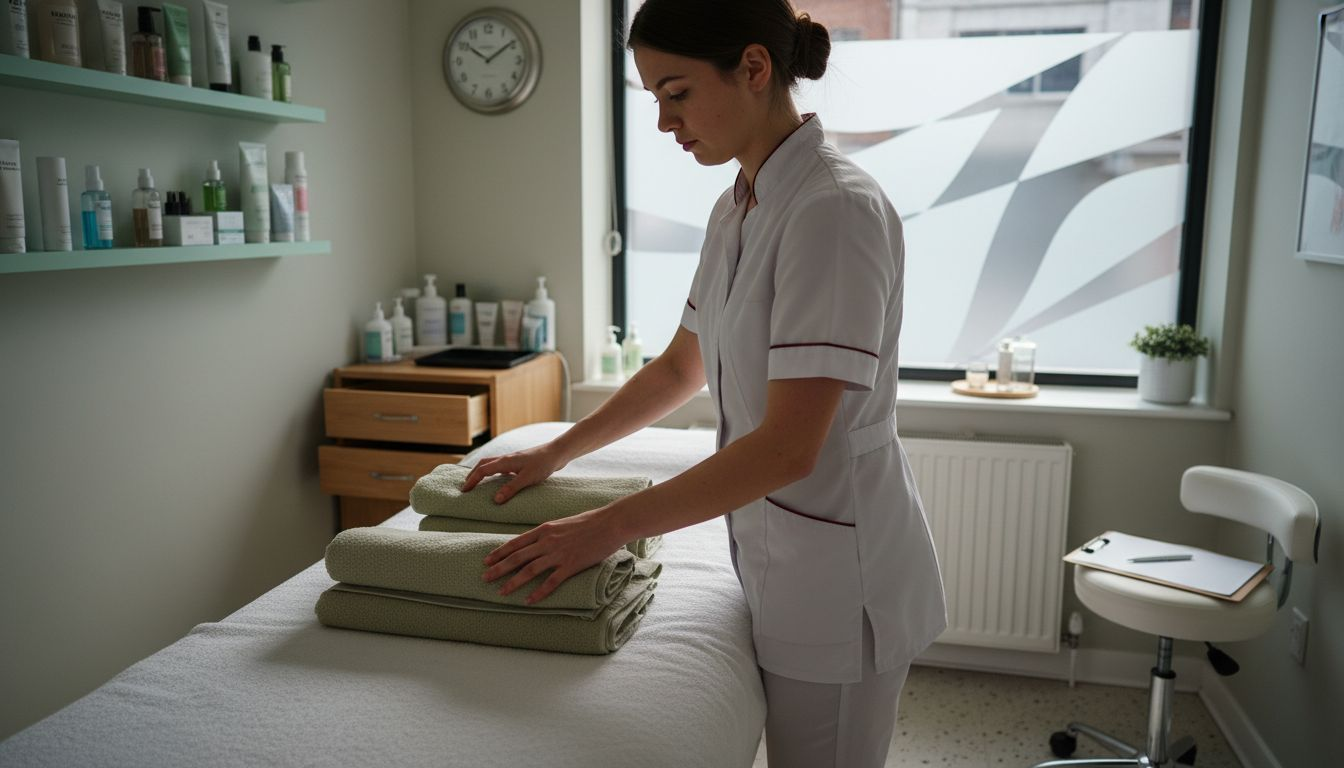
Professional Tip: Network actively during your training and maintain professional relationships, as personal connections often lead to the most promising career opportunities in the beauty therapy industry.
The following table outlines how professional development is structured in UK beauty therapy careers:
| Development Stage | Training Approach | New Skills Gained |
|---|---|---|
| Initial Education | Accredited diploma courses | Technical competence and client safety |
| Early Career | Salon/apprenticeship experience | Time management, hands-on practice |
| Ongoing Growth | Short courses, workshops | Specialised techniques and latest trends |
| Advanced Roles | Further qualifications/mentoring | Leadership, teaching, business skills |
How Training in the UK Builds Confidence
UK beauty therapy training programmes are meticulously designed to nurture not just technical skills, but also profound personal confidence. Professional beauty courses systematically develop students’ self-assurance through a comprehensive approach that blends theoretical knowledge with practical experience.
The confidence-building journey in UK beauty therapy training encompasses several transformative dimensions:
- Technical Mastery: Developing expert-level skills that create genuine professional competence
- Communication Skills: Learning to interact professionally with clients from diverse backgrounds
- Problem-Solving Abilities: Understanding how to handle complex client consultations and treatment scenarios
- Personal Presentation: Cultivating a professional appearance and demeanour that reflects industry standards
- Emotional Intelligence: Developing empathy and understanding in client interactions
Beyond technical training, UK programmes emphasise holistic personal development. Students learn to understand their own strengths, overcome professional challenges, and project genuine confidence in their abilities. The structured training environment provides safe spaces to practice techniques, receive constructive feedback, and gradually build professional self-assurance. Practical assessments, simulated client interactions, and industry placements ensure that confidence is not just taught, but experienced and internalised.
Professional Tip: Embrace every training opportunity as a chance to challenge yourself and gradually expand your comfort zone, remembering that true confidence comes from continuous learning and practice.
Elevate Your Career with Expert Beauty Therapy Training in the UK
The journey to becoming a confident and skilled beauty professional starts with the right training. If you are motivated by the desire to master advanced techniques and build lasting client relationships as highlighted in the article, Medisoma Academy offers high-quality, accredited courses designed to meet those exact goals. Our fast track beauty therapy programmes blend essential scientific knowledge with practical hands-on experience, helping you overcome common challenges such as gaining technical mastery and boosting personal confidence.
Explore how you can grow your expertise and stand out in this competitive industry by accessing insights on Growing – Medisoma.
Take the decisive step today by joining Medisoma to unlock your full potential in beauty therapy. Benefit from innovative teaching that values your individuality and self-esteem while preparing you for a successful professional future. Discover more about our courses and how to begin your journey on our main website, or learn how to maximise your career opportunities with our practical advice on Monetizing – Medisoma. Your future in beauty therapy starts now.
Frequently Asked Questions
What are the benefits of studying beauty therapy in the UK?
Studying beauty therapy in the UK provides access to accredited training, robust career prospects, and an emphasis on combining technical skills with interpersonal abilities. Additionally, it nurtures confidence and professional competence through practical experience and theoretical knowledge.
What types of beauty therapy courses are available in the UK?
The UK offers various beauty therapy courses, including Level 2 Beauty Therapy Certificates, Level 3 Beauty Therapy Diplomas, and Level 4 Advanced Beauty Therapy Diplomas. Each level builds on the previous one, allowing for skill progression and specialisation in advanced treatments and techniques.
How does a beauty therapy qualification impact career prospects?
A beauty therapy qualification significantly enhances career prospects by providing essential skills and recognised credentials. Professionals can find employment in salons, luxury spas, corporate wellness programmes, or even pursue self-employment and advanced roles in specialised clinics.
What should I look for in a beauty therapy training programme?
When choosing a beauty therapy training programme, it’s essential to consider course accreditation, the balance between theoretical knowledge and practical experience, and the reputation of the training institution to ensure your qualification is respected in the professional market.
Recommended
- 10 Proven Steps to Unlock Your Dream Beauty Career in 2024 – Medisoma
- 7 Game-Changing Secrets of VTCT Level 4 Advanced Beauty Therapy – Medisoma
- 15 Genius Revision Tips for Guaranteed Success in 2024 – Medisoma
- Blog – Medisoma
- What Is Confidence in Beauty? Complete Guide – Pure Light Botanical Beauty
- Best hair growth serums available in the UK – 2026 Comparison – LUXEVA
- Benefits of Clean Beauty – Impact on Wellness and Skin