
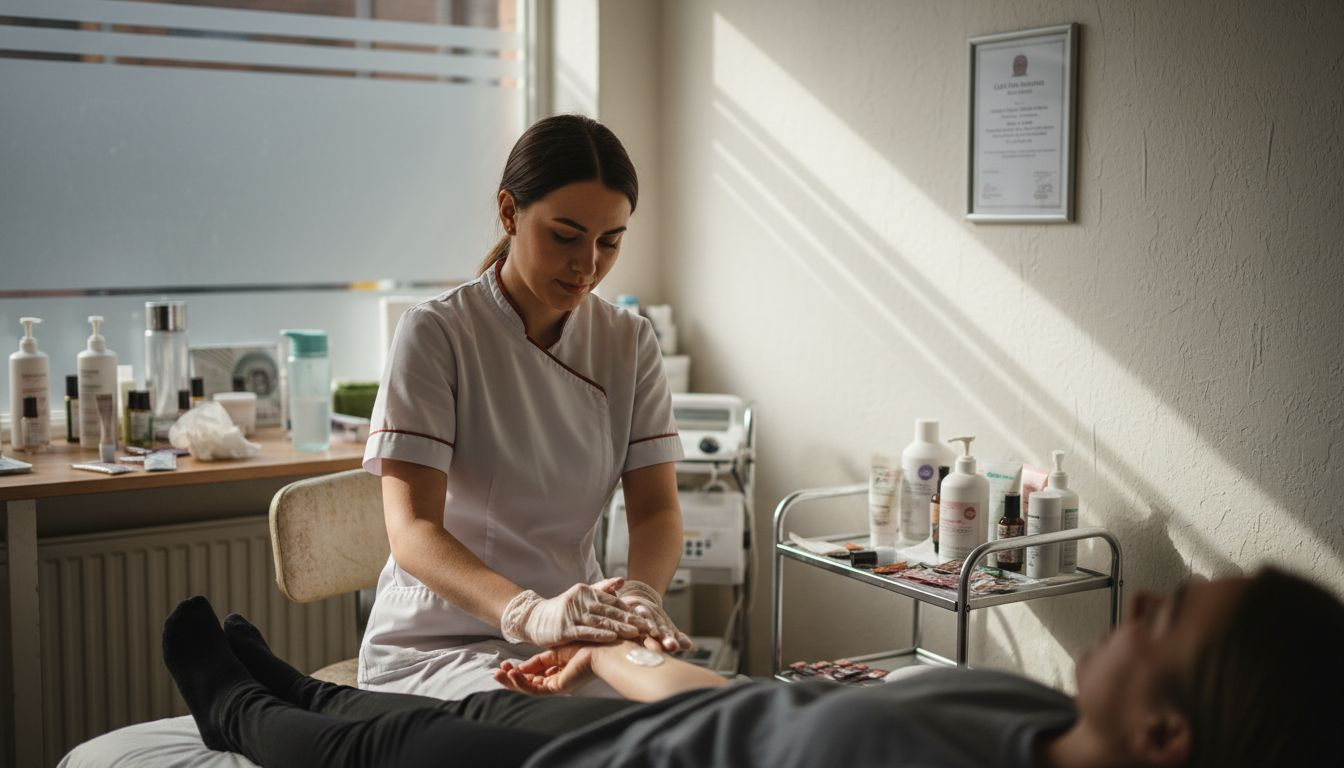
Starting your journey as a beauty therapist in the UK can feel overwhelming. With so many specialised roles and pathways available, figuring out how to train and launch your career can be confusing. Whether you dream of working in local salons, joining fashion industry teams, or running your own business, it is vital to know the steps that will set you on the right track.
This guide breaks down each stage so you can build the skills and confidence needed in this dynamic sector. You will uncover actionable tips for choosing accredited courses, mastering key treatments, gaining client experience, and earning recognised certification. Get ready to discover practical insights that help you move from beginner to qualified beauty therapist with real career options.
Table of Contents
- 1. Research The Beauty Therapy Field
- 2. Choose An Accredited Training Course
- 3. Gain Key Practical Skills
- 4. Complete Theory And Assignments
- 5. Build Confidence With Real Clients
- 6. Earn Accredited Certification
- 7. Begin Your Career In Beauty Therapy
Quick Summary
| Takeaway | Explanation |
|---|---|
| 1. Research the Beauty Therapy Field | Understanding core competencies and industry standards is essential for success in beauty therapy. |
| 2. Choose an Accredited Training Course | Select comprehensive programmes that provide both practical and theoretical training for career success. |
| 3. Gain Key Practical Skills | Mastering hands-on techniques is vital for delivering exceptional beauty therapy treatments effectively. |
| 4. Build Confidence with Real Clients | Working with real clients fosters confidence and hones interpersonal communication skills necessary for client satisfaction. |
| 5. Earn Accredited Certification | Accreditation validates your skills and enhances your credibility, facilitating career progression opportunities in the beauty sector. |
1. Research the Beauty Therapy Field
Becoming a beauty therapist requires more than just passion for cosmetics and skincare. It demands a strategic and comprehensive understanding of the professional landscape and your potential career pathways.
The beauty therapy sector offers diverse opportunities for skilled practitioners. According to beauty therapy practitioner research, professionals can explore multiple career directions including:
- Salon and spa treatments
- Media and fashion makeup artistry
- Specialised skincare consultancy
- Entrepreneurial beauty business ownership
- Advanced aesthetic therapy roles
Your initial research should focus on understanding the core competencies and industry standards required for success. This involves investigating:
- National vocational qualifications
- Professional certification requirements
- Emerging beauty therapy trends
- Specialisation opportunities
Professional insight: The beauty therapy field is dynamic and continuously evolving, requiring practitioners to remain adaptable and committed to ongoing learning.
To gain comprehensive insights, explore practical training programmes that combine theoretical knowledge with hands-on experience. These programmes provide structured pathways into the professional beauty world.
Pro tip: Attend beauty therapy industry workshops and connect with experienced professionals to gain authentic insights into the field’s current landscape and future prospects.
2. Choose an Accredited Training Course
Selecting the right accredited training course is fundamental to launching a successful career in beauty therapy. Your chosen programme will lay the critical foundation for your professional skills and future opportunities.
When evaluating beauty therapy courses, focus on programmes that offer comprehensive theoretical and practical training. Accredited beauty therapy diplomas provide structured learning pathways with several key components:
- Nationally recognized qualifications
- Industry-standard treatment techniques
- Real client work experience
- Professional networking opportunities
- Masterclass sessions with industry experts
Look for training courses that combine multiple essential elements:
- Comprehensive curriculum covering advanced treatments
- Qualified and experienced tutors
- Access to modern treatment facilities
- Opportunities for practical skill development
- Clear progression routes to further specialisation
Professional insight: An accredited course is more than a qualification. It is your passport to professional credibility and career advancement.
Ensure your chosen programme provides a balanced approach to learning, incorporating both theoretical knowledge and hands-on practical skills. This approach will prepare you comprehensively for the professional beauty therapy landscape.
Pro tip: Research the specific accreditations of your chosen course and verify they are recognised by leading professional beauty therapy associations.
3. Gain Key Practical Skills
Practical skills form the backbone of a successful beauty therapy career. Mastering hands-on techniques is crucial for transforming theoretical knowledge into professional excellence.
Advanced beauty therapy skills encompass a wide range of specialised treatments and techniques. Your practical skill development should focus on:
- Advanced massage techniques
- Nail care and manicure services
- Makeup application skills
- Facial and body treatments
- Client consultation methods
- Health and safety protocols
Key practical skills you must develop include:
- Precise treatment application
- Professional client communication
- Safe and hygienic practice
- Technical treatment planning
- Aftercare recommendation strategies
Professional insight: Practical skills are not just about technical ability but also about building trust and delivering exceptional client experiences.
Successful beauty therapists understand that technical proficiency and interpersonal skills are equally important. Your ability to combine expert treatment techniques with compassionate client care will set you apart in the competitive beauty industry.
Pro tip: Practice your technical skills regularly on diverse skin types and conditions to build confidence and adaptability in your treatments.
4. Complete Theory and Assignments
Theory and assignments are the intellectual foundation of your beauty therapy career. Understanding the scientific principles behind treatments is just as crucial as mastering practical techniques.
Beauty therapy education encompasses a comprehensive range of theoretical knowledge, including:
- Human anatomy and physiology
- Health and safety regulations
- Client consultation techniques
- Product science and composition
- Professional business skills
- Treatment methodology
Your theoretical learning should cover key areas such as:
- Understanding skin biology
- Comprehending treatment contraindications
- Mastering client assessment techniques
- Learning professional communication skills
- Developing business management knowledge
Professional insight: Theory transforms technical skills into professional expertise by providing the critical understanding behind every treatment.
Comprehensive theoretical training ensures you can deliver treatments with scientific precision and professional confidence. This knowledge base distinguishes skilled practitioners from mere technicians.
Pro tip: Create visual study aids like mind maps and colour-coded notes to help transform complex theoretical concepts into easily digestible information.
5. Build Confidence with Real Clients
Confidence is the cornerstone of professional beauty therapy. Working with real clients transforms theoretical knowledge into authentic professional experience.
Practical client experience develops crucial skills that cannot be learned in a classroom. Your journey involves progressing from practice sessions to supervised client interactions.
Key aspects of building client confidence include:
- Managing professional client consultations
- Demonstrating technical treatment skills
- Communicating treatment recommendations
- Handling diverse client expectations
- Maintaining professional boundaries
- Developing interpersonal communication
Your progression typically follows these stages:
- Practice treatments on peers
- Perform supervised client treatments
- Develop independent consultation skills
- Receive constructive feedback
- Gradually build professional autonomy
Professional insight: Confidence comes from competence. Each client interaction is an opportunity to refine your professional approach.
Supervised professional environments provide a safe space to develop your skills and build authentic confidence. These experiences prepare you for independent practice.
Pro tip: Document your client interactions and treatments to track your professional development and reflect on areas for improvement.
6. Earn Accredited Certification
Accredited certification is your professional passport in the beauty therapy world. It validates your skills and opens doors to exciting career opportunities.
Professional beauty therapy certification is more than just a piece of paper. It represents your commitment to professional excellence and industry standards.
Key benefits of earning accredited certification include:
- Legal professional recognition
- Insurance eligibility
- Career progression opportunities
- National and international credibility
- Advanced specialisation pathways
- Professional network access
Critical certification steps involve:
- Selecting recognized qualifications
- Completing comprehensive training
- Passing practical and theoretical assessments
- Registering with professional bodies
- Maintaining continuing professional development
Professional insight: Accreditation transforms your passion into a legitimate professional career with tangible opportunities.
Professional credentials matter significantly in establishing your reputation and marketability within the beauty therapy sector.
Pro tip: Research and select certifications that offer the most comprehensive skill sets and are widely recognised across multiple beauty therapy specialisations.
7. Begin Your Career in Beauty Therapy
Launching your beauty therapy career requires strategic planning and a proactive approach. Your professional journey starts with transforming your qualifications into tangible opportunities.
Beauty therapy career pathways offer diverse opportunities across multiple sectors and working environments.
Potential career entry points include:
- Salon junior therapist roles
- Spa treatment specialists
- Media and fashion makeup artistry
- Cruise ship beauty services
- Freelance beauty consultancy
- Television and film makeup departments
Key strategies for career launch:
- Create a professional portfolio
- Network with industry professionals
- Apply to multiple workplace settings
- Consider apprenticeship opportunities
- Remain open to diverse job roles
Professional insight: Your first role is a learning opportunity. Each experience builds your professional reputation and skill set.
Professional networking and continuous learning are crucial for sustainable career growth in beauty therapy.
Pro tip: Maintain a professional social media presence and actively engage with beauty industry communities to expand your career opportunities.
Below is a comprehensive table summarising the key components and strategies outlined in the article regarding pursuing a career in beauty therapy.
| Aspect | Details and Actions | Benefits and Outcomes |
|---|---|---|
| Research the Field | Explore career pathways such as salon services, skincare consulting, and aesthetic therapy. Investigate qualification requirements and industry trends. | A deep understanding of the profession, aiding in making informed career decisions. |
| Select Training Courses | Enrol in accredited training programmes offering theoretical knowledge and practical experience, led by experienced instructors and industry leaders. | Gained essential skills, industry alignment, and professional credibility. |
| Develop Practical Skills | Engage in hands-on training covering treatments like massage, facials, and client consultation basics. Emphasise health and safety adherence to professional standards. | Proficiency in technical skills coupled with the ability to provide exceptional client experiences. |
| Theoretical Education | Learn concepts such as human anatomy, treatment methodologies, and business ethics to establish a robust knowledge foundation. | Enhanced ability to provide scientifically sound treatments with professionalism. |
| Client Interaction | Build confidence by practicing on diverse clients under supervision, receiving feedback to improve real-world application skills. | Increased client trust, professional adaptability, and improved self-assurance in treatments. |
| Achieve Certification | Obtain accredited certifications through completing certified training and fulfilling assessment requirements. | Recognition as a qualified professional, enabling access to advanced career options globally. |
| Begin a Career | Explore job opportunities in versatile beauty therapy avenues and leverage networking for better placements. | A strong launch into the job market with progression potential across varied industry roles. |
Take Your First Step Towards a Rewarding Beauty Therapy Career
Becoming a beauty therapist requires more than passion it demands the right accredited training and confidence working with real clients. If you are ready to build essential practical skills and gain professional certification with guidance from expert tutors explore how you can grow your talents with Growing – Medisoma.
Join the Medisoma Academy to experience high quality fast track courses designed to combine theoretical knowledge and hands on practice. Discover how our programmes promote innovation and self-esteem while preparing you for multiple career pathways. Visit https://medisoma.co.uk today and take control of your future with training that turns your passion into expertise. For tips on building your professional brand and expanding your opportunities explore our Marketing – Medisoma insights and start your journey now.
Frequently Asked Questions
What qualifications do I need to become a beauty therapist?
To become a beauty therapist, you typically need to complete an accredited training course that provides recognised qualifications. Research various beauty therapy diplomas and select one that covers both theoretical and practical skills, which usually takes around 12 to 18 months to complete.
How can I gain practical experience as a beauty therapist?
You can gain practical experience by working on peers during training and performing supervised treatments on clients. Aim to complete at least 50 hours of client work while training to build confidence and refine your skills.
What steps should I take to choose the right beauty therapy training course?
To choose the right beauty therapy training course, focus on programmes that offer a comprehensive curriculum, qualified tutors, and extensive practical training. Evaluate courses based on their accreditations, facilities, and opportunities for hands-on experience.
How can I build confidence when starting my career in beauty therapy?
Building confidence in beauty therapy involves gaining experience through practice and client interactions. Start by performing treatments on your peers, then progress to supervised clients, aiming for at least 10 independent client consultations within your first few months.
Why is accredited certification important in beauty therapy?
Accredited certification is crucial as it validates your skills and enhances your professional credibility. Selecting qualifications that are widely recognised will open up career opportunities and make you eligible for insurance.
What types of career opportunities are available for beauty therapists?
Career opportunities for beauty therapists include roles in salons, spas, and media makeup artistry, as well as freelance consultancy. Consider starting as a salon junior therapist, where you can gain valuable experience and expand your professional network.
Recommended
- 10 Proven Steps to Unlock Your Dream Beauty Career in 2024 – Medisoma
- 15 Genius Revision Tips for Guaranteed Success in 2024 – Medisoma
- Blog – Medisoma
- 7 Game-Changing Secrets of VTCT Level 4 Advanced Beauty Therapy – Medisoma
- 7 Essential Steps for a Clean Beauty Checklist Routine – Pure Light Botanical Beauty