
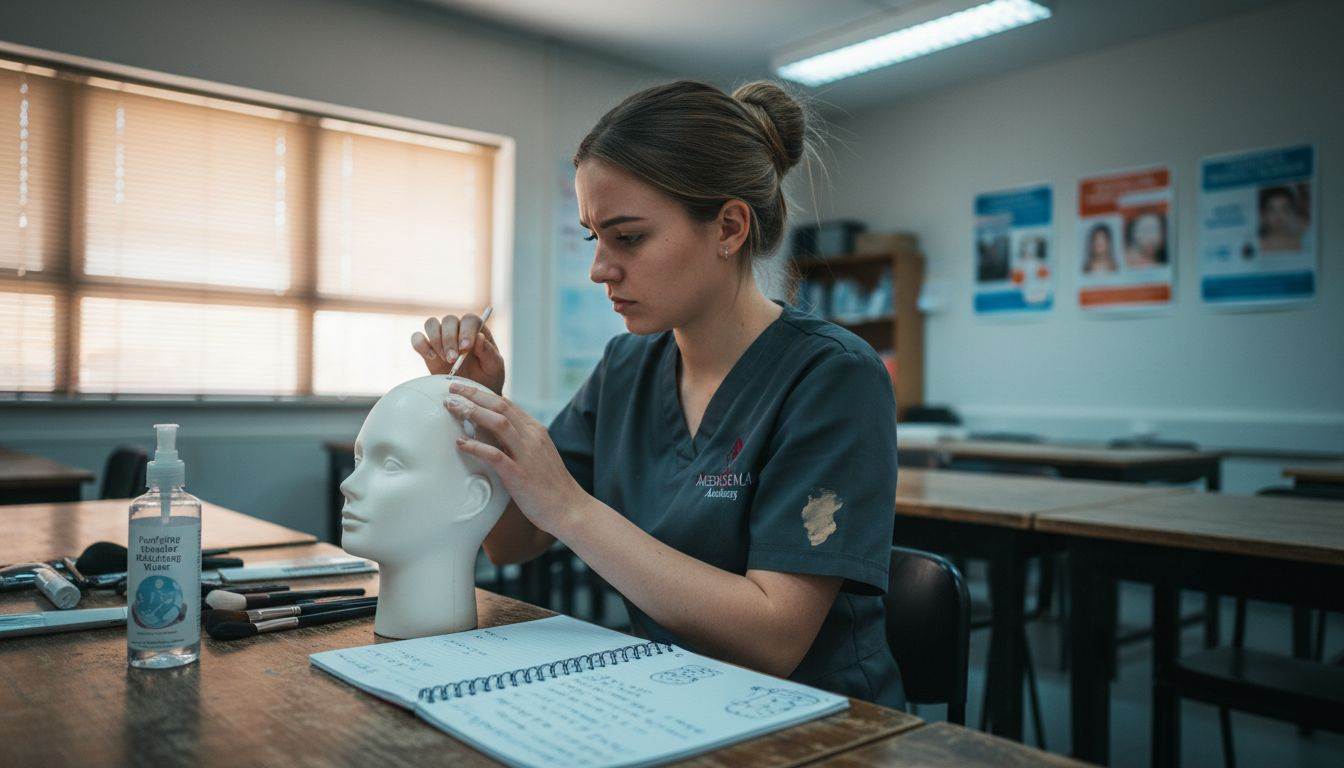
Starting a career in beauty therapy can feel overwhelming when you are faced with so many choices about training and qualifications. Knowing which path will actually help you secure work, develop your expertise and meet UK industry standards is crucial for real progress. The truth is, not all courses deliver the up-to-date skills or recognition employers demand in Grays and across Essex.
This list reveals the real benefits of pursuing accredited beauty therapy qualifications. You will discover how recognised training goes beyond just learning treatments, giving you the credentials, practical guidance and confidence to succeed. Get ready for proven insights that make your career journey smoother, safer and much more rewarding.
Table of Contents
- 1. Gain Recognised Qualifications for Career Growth
- 2. Access to High Quality, Up-to-Date Training
- 3. Meet Industry Standards and Legal Requirements
- 4. Boost Confidence and Professional Credibility
- 5. Increase Employment and Earning Opportunities
- 6. Develop Practical Skills with Expert Tutors
- 7. Enjoy Flexible and Fast Track Learning Options
Quick Summary
| Takeaway | Explanation |
|---|---|
| 1. Recognised qualifications enhance career prospects | Holding accredited qualifications opens up job opportunities and establishes credibility with clients and employers in the beauty industry. |
| 2. Access to current training keeps skills relevant | Enrolling in accredited courses ensures learning modern techniques and practices critical for competitiveness in today’s beauty market. |
| 3. Compliance with legal standards is essential | Accredited training includes knowledge of industry regulations, ensuring safe practice and legal compliance in beauty therapy. |
| 4. Practical experience boosts confidence | Hands-on training under expert supervision develops practical skills and confidence before entering the professional salon environment. |
| 5. Flexible learning options accommodate diverse schedules | Accredited courses offer fast track and part-time options, enabling students to balance education with personal and work commitments. |
1. Gain Recognised Qualifications for Career Growth
When you’re starting your career in beauty therapy in Grays, Essex, holding accredited qualifications transforms your professional standing completely. These credentials aren’t simply certificates to display on your wall; they represent verified competency and industry recognition that employers actively seek. Recognised qualifications such as Level 2 and Level 3 diplomas form the solid foundation that opens doors to employment within UK salons and beyond, enabling you to progress confidently within the beauty industry.
Accredited qualifications matter because they demonstrate your expertise to clients and employers alike. The Federation of Holistic Therapists recognises practitioner-level qualifications that meet National Occupational Standards and Core Curricula, ensuring that your training meets rigorous industry benchmarks. When you complete an accredited course at an institution like Medisoma Academy, you’re not just learning techniques; you’re gaining evidence of competency that carries real weight in the beauty therapy world. This recognition opens pathways for progression within salons, enables you to pursue further specialist training, and even supports business ownership if you choose that route. Employers know that accredited qualifications mean you’ve met established standards and are ready to deliver professional services to their clients.
The practical advantage of holding recognised qualifications extends beyond your initial job search. Many salons and beauty establishments specifically require accredited qualifications for employment, meaning you’re immediately positioned ahead of candidates without formal credentials. You gain the confidence that comes from knowing you’ve trained properly, and you unlock the ability to pursue advanced treatments and specialisations later. Whether you want to specialise in facial electrotherapy, advanced skincare techniques, or start your own beauty business, having accredited qualifications provides the foundation that clients trust and that industry professionals respect.
Pro tip Start with a Level 2 or Level 3 diploma accredited course at Medisoma Academy to establish strong foundations early, then plan your progression route whilst studying, knowing exactly which advanced qualifications align with your career ambitions in beauty therapy.
2. Access to High Quality, Up-to-Date Training
The beauty industry moves quickly, with new techniques, products, and technologies emerging regularly. When you enrol in an accredited course, you gain access to training that reflects current industry standards rather than outdated methods learned years ago. Experienced tutors at accredited institutions ensure your learning covers the latest developments, keeping you genuinely competitive in modern salon environments. This is fundamentally different from piecing together knowledge from online videos or informal training, where you might learn practices that salons no longer use.
Accredited beauty therapy courses incorporate the latest industry technology and techniques into their curriculum. Tutors delivering this training have real-world salon experience and understand what clients expect and what salons demand. The Federation of Holistic Therapists endorses accredited courses that are thoroughly vetted and approved to meet high educational standards, ensuring you receive both current theoretical knowledge and practical skills aligned with professional expectations. This means you’re not just learning individual techniques; you’re learning them within a framework that reflects how modern beauty therapy actually works. Your training covers contemporary skincare chemistry, modern electrotherapy equipment, current client communication methods, and business practices that salon owners value.
The practical benefit becomes obvious once you start working. When you’ve trained on current equipment and techniques, you’re immediately useful to employers. Salons don’t need to retrain you on their methods because you’ve already learned industry standard approaches. Clients appreciate that you understand the latest beauty treatments and can discuss modern skincare science confidently. Moreover, accredited training gives you a clear pathway for ongoing professional development. You understand the foundations properly, making advanced qualifications and specialist certifications far easier to achieve later. Whether you want to develop expertise in advanced facials, body treatments, or emerging technologies, your solid foundation in current training methods supports continuous learning throughout your career.
Professional tip During your course research, ask potential providers what technology and products you’ll use in training, then verify those match what salons in Grays currently have in use; this ensures your practical skills transfer immediately into the workplace.
3. Meet Industry Standards and Legal Requirements
Working in beauty therapy involves more than just delivering treatments; it requires compliance with established industry standards and legal frameworks. Accredited courses ensure you understand and meet these obligations from the start of your career. When you complete training aligned with National Occupational Standards, you’re learning exactly what the industry expects regarding safe practice, competency, and professional conduct. This protects both you and your clients, establishing clear expectations about the quality and safety of treatments you provide.
Accredited qualifications ensure your training covers the legal and safety requirements that govern beauty therapy practice in the United Kingdom. Certain aspects of beauty therapy are regulated under UK law, and accredited training ensures you understand these requirements fully. You’ll learn proper health and safety protocols, client consultation procedures, contraindication identification, and hygiene standards that aren’t just good practice but legal necessities. This knowledge prevents you from inadvertently breaking regulations or causing harm through uninformed practice. When you work for salons or establish your own business, having accredited training demonstrates to clients, employers, and regulators that you meet the professional standards required for lawful practice. The training you receive addresses real legal frameworks rather than generic wellness principles, meaning you can confidently operate within UK industry regulations.
The practical reality is that accredited training protects your career and your clients’ wellbeing simultaneously. Salons increasingly verify that their therapists hold accredited qualifications specifically because they know this means legal compliance and professional standards are embedded in your knowledge. If you ever face a client complaint or need to demonstrate your competency, your accredited qualification provides documented evidence that you were trained to meet industry standards. Many insurance providers also favour therapists with accredited qualifications, recognising the reduced risk associated with properly trained practitioners. Additionally, if you aspire to specialise in treatments like advanced electrotherapy or chemical peels, regulatory bodies often require accredited foundational training before permitting you to perform these procedures. Your accredited course from the outset positions you to grow safely within the industry.
Professional tip When choosing your course provider, verify they’re accredited by recognised awarding bodies and ask specifically how their curriculum addresses UK legal requirements and health and safety regulations relevant to the treatments you’ll learn.
4. Boost Confidence and Professional Credibility
Confidence in your abilities matters tremendously when working with clients face to face every single day. Completing an accredited beauty therapy course gives you genuine confidence because you know your training meets recognised standards and has been properly verified. This isn’t false confidence built on guesswork; it’s grounded in documented competency and professional recognition. When you hold an accredited qualification, you can discuss treatments knowledgeably with clients, answer their questions authoritatively, and perform procedures with the assurance that comes from proper training. Your clients pick up on this confidence immediately, and it directly influences whether they trust you and return for future treatments.
Your accredited qualification provides tangible credibility that extends far beyond your own self belief. Employers actively seek therapists with recognised qualifications because they signal reliability and professional standards. When clients see your credentials displayed or mentioned, they understand that you’ve been formally trained and verified as competent. Professional bodies like the FHT offer official recognition of competence through membership and certification, which further elevates your professional standing and demonstrates your commitment to continuous professional development. This recognition isn’t something you claim for yourself; it’s external validation from established industry organisations. Many salons market their therapists’ qualifications to attract clients, meaning your accredited training becomes a marketing asset for the business. In the competitive beauty sector, this credibility directly influences client retention and your earning potential. Clients would rather book appointments with qualified professionals, and they’re willing to pay premium prices for treatments delivered by therapists they trust.
The psychological impact of holding an accredited qualification affects every interaction you have. When you’re consulted by a client about whether you can perform a specific treatment, you can confidently refer to your training and qualifications. When you encounter challenging client situations, you approach them with the knowledge that you’ve been trained properly. If you decide to progress toward specialisations or business ownership, your accredited foundation provides the credibility needed to pursue those goals. Your qualification becomes part of your professional identity, shaping how you see yourself and how others perceive you within the beauty industry. This transformation from student to qualified professional happens not just in your skills but in your entire approach to your career.
Professional tip Display your accredited qualifications prominently in your salon workspace or online profiles, and regularly mention your training credentials when discussing treatments with clients to reinforce their confidence in your expertise.
5. Increase Employment and Earning Opportunities
Your earning potential in beauty therapy directly correlates with your qualifications and professional credentials. Accredited beauty therapy qualifications open significantly wider employment opportunities compared to unqualified candidates, allowing you to access positions in established salons, luxury spas, beauty clinics, and specialist treatment centres across the United Kingdom. Many employers explicitly require recognised credentials for employment, meaning your accredited qualification literally unlocks job roles that would otherwise be unavailable. Beyond simply gaining access to more positions, accredited qualifications enable you to command higher fees and better compensation packages because employers recognise the quality of your training and the reduced risk associated with hiring a properly qualified therapist.
The financial advantage extends beyond your initial salary or treatment fees. Accredited qualifications open wider job opportunities in salons, spas, and related sectors, with employers often offering better pay and career progression prospects for qualified therapists. When you’re qualified, salons can charge premium prices for your treatments, and they often share that increased revenue through better compensation for their therapists. You become more marketable not just to one salon but to multiple employers, giving you negotiating power when discussing salary and conditions. If you aspire to freelance or build a client base independently, your accredited qualification becomes your professional foundation, enabling you to establish yourself as a trusted, qualified practitioner who can command higher rates. Professional bodies like the FHT provide membership access to job listings and networking, which further enhances your employment prospects and connects you with opportunities you might never find through standard job boards.
Consider the long term financial trajectory. An unqualified person offering beauty treatments might earn modest amounts initially, but they hit a ceiling quickly because employers won’t promote them or clients won’t pay premium prices. A qualified beauty therapist starts at a higher earning level and can continuously progress by adding specialist qualifications, increasing their rates, moving into management roles, or establishing their own business. In Grays, Essex, where the beauty industry continues to grow, qualified therapists are in demand and can choose between multiple employment opportunities. Your accredited qualification represents an investment that pays dividends throughout your career, not just in your first year of work but across decades of earning potential.
Professional tip Once qualified, join professional organisations like the FHT immediately to access their job boards and networking opportunities, which often feature positions paying 20 to 30 percent more than standard salon roles.
6. Develop Practical Skills with Expert Tutors
Learning beauty therapy requires far more than theoretical knowledge. You need hands on experience performing treatments under expert guidance, which is exactly what accredited courses deliver through structured practical training. Expert tutors don’t simply show you techniques once; they provide direct mentorship and supervision, watching your work, offering corrections, and helping you refine your skills until you perform treatments to professional standards. This personalised feedback during training is invaluable because it catches errors early and builds proper technique from the beginning, preventing bad habits that would be difficult to unlearn later.
Accredited courses like VTCT Level 3 Beauty Therapy Studies include comprehensive practical components covering face and body treatments, massage techniques, and specialised procedures. You’ll spend substantial time practising these treatments on real clients under supervision, developing the muscle memory, confidence, and client interaction skills that theoretical study alone cannot provide. Expert tutors draw on their own salon experience, meaning they teach you not just how to perform a treatment but also real world tips about managing timing, client comfort, managing difficult situations, and maximising results. This practical exposure means you’re genuinely ready to work in a professional salon environment from day one of employment, rather than requiring extensive on the job training. When you’ve practised facial treatments, body treatments, and various massage techniques under expert supervision, you understand the physical demands of the work, the proper body mechanics to prevent injury, and how different client types respond to different approaches.
The confidence you gain from practical training with experts is transformative. You’ve actually performed these treatments multiple times under professional guidance before you ever work with a paying client in a salon. You understand what proper technique feels like, looks like, and produces as results. You know how to adapt your approach when something isn’t working. You’ve learned from someone experienced rather than figuring everything out through trial and error. Expert tutors also teach you professional standards regarding hygiene, client consultation, treatment contraindications, and safety protocols that you might miss if learning purely from videos or books. When you enter employment, you’re not learning how to do the job; you’re simply applying skills you’ve already developed in a new environment.
Professional tip During your course, request feedback specifically on your technique during every practical session, and ask your tutors to demonstrate advanced variations of treatments so you learn not just the basics but professional level execution.
7. Enjoy Flexible and Fast Track Learning Options
Life doesn’t always allow you to commit to full time study for months on end. Accredited beauty therapy courses recognise this reality and offer flexible learning options that adapt to your circumstances. Whether you’re currently working, juggling family responsibilities, or simply want to progress quickly into your career, accredited training providers offer delivery methods that work with your schedule rather than against it. Fast track courses compress the curriculum into intensive study periods, allowing you to qualify in weeks rather than months. Part time options let you study whilst maintaining employment or other commitments. These flexible pathways mean pursuing your beauty therapy qualification doesn’t require abandoning your existing life; it means finding a learning approach that fits.
Accredited training programmes often provide flexible learning pathways including fast track courses and part time study options, enabling you to progress at a pace that suits your circumstances. Beyond simple scheduling flexibility, many accredited providers now offer blended learning models combining in person practical training with online theoretical modules. This hybrid approach lets you study theory independently when convenient, then attend scheduled practical sessions where you learn hands on techniques under expert supervision. The Federation of Holistic Therapists endorses accredited courses with flexible delivery options including CPD approved online modules, allowing you to advance your skills at your own pace whilst balancing work and study commitments effectively. If you’re eager to launch your beauty therapy career quickly, fast track intensive courses can have you qualified and job ready in a compressed timeframe. If you need to work whilst studying, part time options spread the learning across a longer period with manageable weekly commitments.
The practical advantage of flexible learning is that you actually complete your qualification rather than abandoning it when life gets complicated. Many people start traditional courses only to drop out because the rigid schedule conflicts with employment or unexpected circumstances. Accredited courses with flexible options dramatically improve completion rates because students can genuinely sustain their commitment. For aspiring beauty therapists in Grays, Essex, fast track courses mean you could be qualified and applying for salon positions within weeks rather than months. Part time study means you could complete your qualification whilst working elsewhere, then transition into beauty therapy employment once qualified. Online modules mean you’re not restricted by geography or commute time for every single class. This flexibility transforms beauty therapy training from an all or nothing proposition into something genuinely achievable regardless of your current circumstances.
Professional tip When evaluating accredited courses, ask specifically about practical session scheduling and online module availability, then choose a provider whose flexible options genuinely align with your work and life commitments to ensure you complete the qualification successfully.
Below is a comprehensive table highlighting the main insights and points discussed throughout the article regarding beauty therapy qualifications and training in the UK.
| Aspect | Overview | Benefits |
|---|---|---|
| Recognised Qualifications | Holding accredited certifications enhances career opportunities and professional credibility. | Demonstrates verified competency to employers and clients, supporting career progression. |
| High-Quality Training | Accredited courses cover current industry standards, techniques, and technologies. | Ensures competitive skills and preparedness for modern salon practices. |
| Industry Standards | Training aligned with National Occupational Standards ensures compliance with legal and professional requirements. | Protects clients, facilitates legal compliance, and enhances professional reputation. |
| Professional Confidence | Verified qualifications foster confidence in performing treatments and interacting with clients. | Improves client trust and supports long-term career achievement. |
| Employment Opportunities | Recognised qualifications increase job eligibility in various beauty therapy employment sectors. | Enables higher earning potential and wider career choices. |
| Practical Skills Development | Training involves hands-on experience under expert supervision. | Prepares students effectively for professional environments from the start. |
| Flexible Learning Options | Programmes offer part-time, fast-track, and blended learning formats to accommodate various lifestyles. | Allows completion of training without disrupting personal schedules, ensuring accessibility. |
Elevate Your Beauty Therapy Career with Accredited Training at Medisoma Academy
If you are inspired by the clear benefits of accredited beauty therapy courses, such as gaining recognised qualifications, meeting UK legal standards, and boosting your professional credibility, Medisoma Academy is here to help you achieve those goals. We understand the challenges you face when starting out or advancing in this competitive industry and provide fast track, accredited courses designed to fit your lifestyle and career ambitions.
Take the first step to confidently working in established salons across Grays, Essex and beyond by enrolling at Medisoma Academy. Benefit from expert tutors, up-to-date practical training, and flexible learning options that ensure you gain the skills and qualifications employers demand. Visit Medisoma Academy now to explore our courses and secure your future in beauty therapy. Don’t wait to turn your passion into a rewarding profession—start your journey with us today.
Frequently Asked Questions
What are the benefits of obtaining accredited qualifications in beauty therapy?
Accredited qualifications enhance your professional credibility and increase employment opportunities. By obtaining recognised credentials, you position yourself ahead of unqualified candidates and open doors to higher earning potential and career advancement.
How can accredited courses help me stay updated with industry trends?
Accredited courses incorporate the latest techniques and technologies into their training. Enrol in a course that includes current practices to ensure you’re learning methods that are in demand today and will be relevant when you begin working.
What should I consider when choosing an accredited beauty therapy course?
Focus on the course’s curriculum, practical training components, and the reputation of the institution. Verify the course addresses legal requirements and industry standards to ensure you are fully prepared to practice professionally.
How do accredited courses improve my confidence as a beauty therapist?
Completing an accredited course provides you with solid training and knowledge, which enhances your confidence in performing treatments. Seek opportunities to showcase your qualifications to clients, as this will reinforce your credibility and boost your self-assurance.
Can I balance studying an accredited beauty therapy course with work or family commitments?
Yes, many accredited courses offer flexible and fast-track learning options to fit your schedule. Research institutions that provide part-time or intensive study formats to ensure you can complete your qualification without abandoning your existing responsibilities.
What types of practical skills will I develop in accredited courses?
Accredited courses deliver hands-on training under expert supervision, ensuring you master essential techniques for various beauty treatments. Participate actively during practical sessions to refine your skills and gain real-world experience before entering the job market.