

Choosing the right beauty qualification in the United Kingdom can feel confusing when so many myths surround what employers really value. For young people in London and Essex wanting a trusted career path, understanding the difference between simple courses and recognised, accredited training is key. This article clears up common misconceptions and highlights why regulated qualifications offer real professional skills, support safe practice, and help build a strong sense of achievement in your beauty journey.
Table of Contents
- Beauty Qualifications Defined And Misconceptions
- Types Of Beauty Qualifications In The Uk
- How Accreditation Ensures Credibility And Safety
- Career And Self-Esteem Benefits For Therapists
- Legal, Insurance And Compliance Requirements
- Common Pitfalls And Choosing The Right Course
Key Takeaways
| Point | Details |
|---|---|
| Understanding Beauty Qualifications | Beauty therapy qualifications in the UK validate skills and knowledge in the industry, dispelling myths about their value. |
| Importance of Accreditation | Accredited qualifications ensure standardised training and safety protocols, enhancing professional credibility. |
| Career Growth Potential | Pursuing advanced diplomas and recognised certifications can lead to better job prospects and opportunities for specialisation. |
| Legal Compliance Necessities | Beauty therapists must adhere to legal requirements, including professional liability insurance and client consent protocols, to protect both themselves and their clients. |
Beauty qualifications defined and misconceptions
Beauty therapy qualifications in the United Kingdom represent a structured professional pathway designed to validate skills, knowledge, and competencies within the beauty and aesthetics industry. These regulated qualifications are carefully mapped within the Regulated Qualifications Framework to ensure standardised training and professional development for aspiring beauty professionals.
The landscape of beauty qualifications is often misunderstood, with many individuals holding misconceptions about their purpose and value. Common myths include:
- Beauty qualifications are merely cosmetic certificates
- Professional training is unnecessary for beauty careers
- All beauty courses provide equivalent skill levels
- Qualifications do not impact career progression
In reality, accredited beauty qualifications provide comprehensive training that extends far beyond basic beauty techniques. These programmes encompass:
- Detailed anatomical understanding
- Professional safety protocols
- Advanced technical skills
- Client consultation techniques
- Business management fundamentals
Moreover, these qualifications are not just academic credentials but professional certifications that demonstrate competence in practical skills. UK beauty standards emphasise professional practice and safety, ensuring that qualified beauty therapists meet rigorous industry benchmarks.
Pro tip: Research your chosen beauty qualification’s specific accreditation and recognition within the industry before enrolling to ensure maximum career potential.
Types of beauty qualifications in the UK
The United Kingdom offers a diverse range of beauty therapy qualifications designed to cater to different career stages and professional aspirations. Scottish Vocational Qualifications represent one critical pathway for individuals seeking structured, competence-based certification in the beauty industry.
The primary types of beauty qualifications in the UK include:
- Level 2 Diploma in Beauty Therapy
- Level 3 Advanced Diploma in Beauty Therapy
- VTCT (Vocational Training Charitable Trust) Certificates
- City & Guilds Beauty Therapy Qualifications
- NVQ (National Vocational Qualifications) in Beauty
Each qualification level offers increasingly specialised skills and knowledge. The Level 2 Diploma typically provides foundational training covering:
- Basic skincare techniques
- Manicure and pedicure procedures
- Waxing and hair removal methods
- Basic facial treatments
- Professional client consultation skills
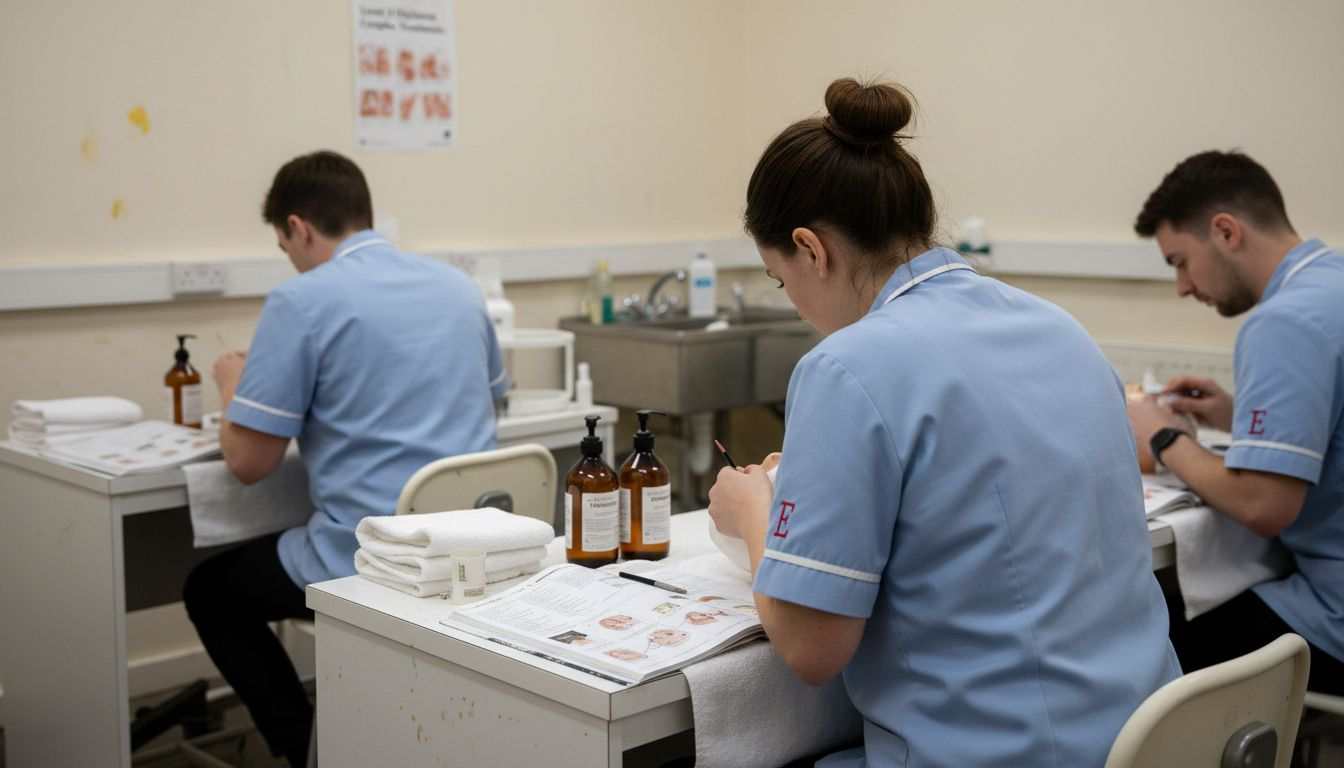
Moreover, the Level 3 Advanced Diploma builds upon these foundational skills, introducing more complex treatments like advanced facial techniques, body treatments, and comprehensive spa therapies. Accredited training programmes ensure that students receive industry-recognised credentials that enhance their professional credibility.
Pro tip: Always verify the accreditation and industry recognition of your chosen beauty therapy qualification before enrolling to maximise your career opportunities.
Here is a comparison of core UK beauty qualifications and their typical career outcomes:
| Qualification Type | Focus Area | Usual Entry Requirement | Typical Career Progression |
|---|---|---|---|
| Level 2 Diploma in Beauty Therapy | Basic practical and theory | None or GCSEs | Entry-level therapist roles |
| Level 3 Advanced Diploma | Advanced treatments, professionalism | Level 2 Diploma or equivalent | Senior therapist, spa supervisor |
| VTCT/City & Guilds Certificates | Industry-specific technical skills | Varies by course | Specialist roles, ongoing CPD |
| NVQ in Beauty | Workplace competence | Relevant beauty experience | Salon manager, business owner |
How accreditation ensures credibility and safety
Accreditation plays a pivotal role in maintaining the highest standards of professional practice within the beauty therapy industry. National qualification verification ensures that beauty professionals meet rigorous competence and safety benchmarks that protect both practitioners and clients.
The key elements of accreditation in beauty qualifications include:
- Comprehensive skills assessment
- Standardised learning outcomes
- Regular quality control checks
- Consistent safety protocol training
- Industry-aligned curriculum development
Through systematic evaluation, accreditation bodies assess multiple critical dimensions of beauty training:
- Theoretical knowledge depth
- Practical skill demonstration
- Professional conduct standards
- Client care and safety protocols
- Technical competence validation
Accreditation mechanisms are designed to guarantee that beauty professionals undergo extensive qualification checks which verify their ability to deliver safe, professional services. These mechanisms protect public health by ensuring that every qualified beauty therapist possesses the necessary skills, knowledge, and ethical standards required in contemporary beauty practice.
Pro tip: Always request to see the official accreditation details of your chosen beauty course to confirm its recognition and quality standards.
The following table summarises how accredited beauty training supports credibility in the industry:
| Accreditation Aspect | How It Improves Professionalism | Impact on Client Safety |
|---|---|---|
| Standardised Curriculum | Ensures consistent skill acquisition | Reduces variability in treatments |
| Practical Assessment | Validates real-world competence | Minimises risk of error |
| Regular Quality Checks | Maintains up-to-date industry standards | Detects and corrects deficiencies |
| Safety Protocol Training | Embeds safe practice habits | Protects both therapist and client |
Career and self-esteem benefits for therapists
A career in beauty therapy offers far more than technical skills and professional credentials. Professional beauty careers provide transformative opportunities for personal growth, emotional connection, and meaningful client interactions that go beyond traditional job expectations.
The primary career and self-esteem benefits for beauty therapists include:
- Direct positive impact on client confidence
- Opportunities for continuous personal development
- Flexible career pathways
- Potential for entrepreneurial ventures
- Creative professional expression
- Strong interpersonal skill development
Beauty therapists experience profound psychological rewards through their professional practice:
- Building meaningful client relationships
- Enhancing personal and professional self-worth
- Contributing to clients’ emotional wellbeing
- Developing advanced communication skills
- Creating tangible improvements in people’s lives
The emotional intelligence required in beauty therapy enables practitioners to develop remarkable resilience and empathy. Becoming a beauty therapist is not merely about technical proficiency, but about understanding human connections and personal transformation.
Pro tip: View each client interaction as an opportunity for professional growth and personal fulfilment, recognising the profound impact you can have beyond technical treatments.
Legal, insurance and compliance requirements
Professional beauty therapists must navigate a complex landscape of legal and regulatory requirements to ensure safe and ethical practice. Insurance documentation is a critical component of maintaining professional credibility and protecting both practitioners and clients.
Key legal and compliance requirements for beauty therapists include:
- Professional liability insurance
- Consent and client rights documentation
- Health and safety risk assessments
- Data protection compliance
- Regular professional training records
- Safeguarding policy adherence
Comprehensive legal compliance involves multiple critical dimensions:
- Maintaining current professional indemnity insurance
- Understanding client consent protocols
- Implementing rigorous health and safety procedures
- Protecting client personal information
- Demonstrating continuous professional development
Regulatory compliance extends beyond basic insurance requirements. Consent and governance policies mandate that beauty therapists operate within strict legal frameworks, including adherence to the Mental Capacity Act 2005 and comprehensive data protection regulations.
Pro tip: Keep meticulous records of your insurance, qualifications, and professional certifications, ensuring they are always current and readily accessible for verification.
Common pitfalls and choosing the right course
Navigating the landscape of beauty therapy education requires careful consideration and strategic planning. Course selection strategies are crucial for aspiring beauty professionals to ensure they invest their time and resources in qualifications that truly advance their career potential.
Common pitfalls prospective students should avoid include:
- Selecting courses without comprehensive accreditation
- Ignoring practical training opportunities
- Overlooking industry-relevant curriculum
- Failing to research career progression pathways
- Choosing solely based on cost
- Neglecting to verify tutor qualifications
Successful course selection involves carefully evaluating multiple critical factors:
- Verifying national qualification recognition
- Assessing practical training components
- Checking industry partnerships
- Understanding assessment methods
- Exploring progression opportunities
Career readiness demands more than theoretical knowledge. Choosing reputable beauty courses requires thorough research into institutions that offer comprehensive learning experiences, qualified instructors, and strong industry connections.
Pro tip: Always request a detailed course syllabus, speak with current students or recent graduates, and verify the institution’s industry connections before committing to a beauty therapy programme.
Elevate Your Career with Accredited Beauty Qualifications in London and Essex
Pursuing accredited beauty qualifications addresses the challenge of securing professional credibility and advancing your skills through comprehensive training. If you are seeking to overcome misconceptions about beauty therapy education and want to ensure your qualifications are industry-recognised and respected, Medisoma Academy offers a proven pathway to success. We combine excellence in teaching with a nurturing environment that values self-esteem and creativity — essential qualities highlighted in the article.
Our fast track beauty therapy courses focus on safety, advanced techniques, and client-centred skills that align perfectly with UK standards. Whether you are starting or aiming to grow your expertise, explore how you can advance through our expertly designed programmes in the Growing – Medisoma category.
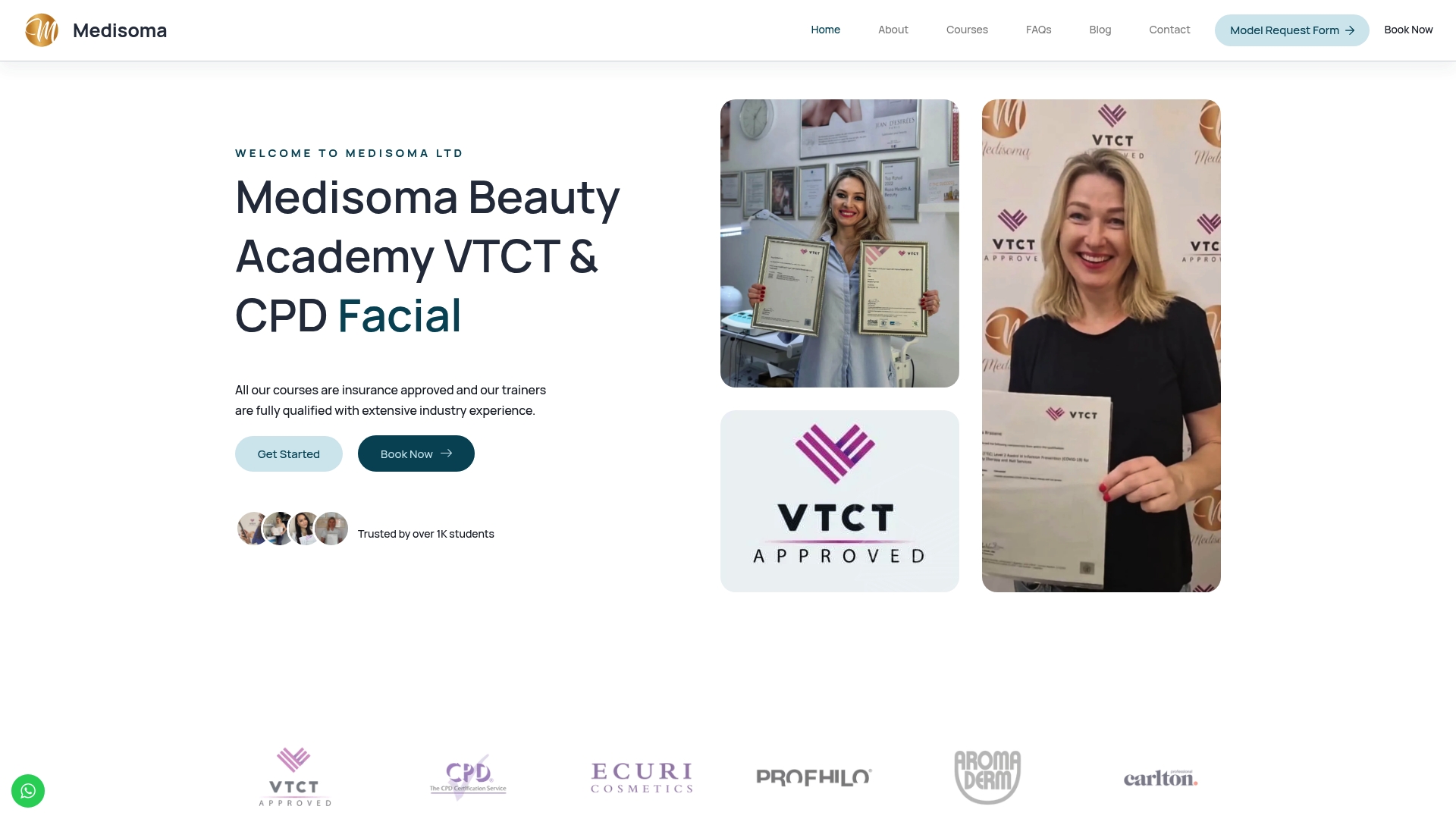
Take the next step in your professional journey by enrolling with Medisoma Academy. Visit https://medisoma.co.uk today to discover courses that transform your passion into a rewarding career. Learn how to monetise your skills effectively in our Monetizing – Medisoma section and build your reputation with expert insights found in Marketing – Medisoma. Your accredited beauty education starts here—secure your future with Medisoma now.
Frequently Asked Questions
What are beauty therapy qualifications?
Beauty therapy qualifications are structured professional certifications that validate skills, knowledge, and competencies within the beauty and aesthetics industry, ensuring standardised training for aspiring professionals.
Why are accredited beauty qualifications important?
Accredited beauty qualifications provide comprehensive training that extends beyond basic techniques, covering areas such as anatomy, safety protocols, advanced skills, and client consultation, which are essential for career advancement.
What types of beauty qualifications are available?
The primary types include Level 2 Diploma in Beauty Therapy, Level 3 Advanced Diploma, VTCT Certificates, City & Guilds Qualifications, and NVQs, each catering to different skill levels and career aspirations.
How does accreditation impact client safety in beauty therapy?
Accreditation ensures that beauty professionals meet rigorous competence and safety benchmarks, including comprehensive skills assessments and regular quality checks, protecting both practitioners and clients.