
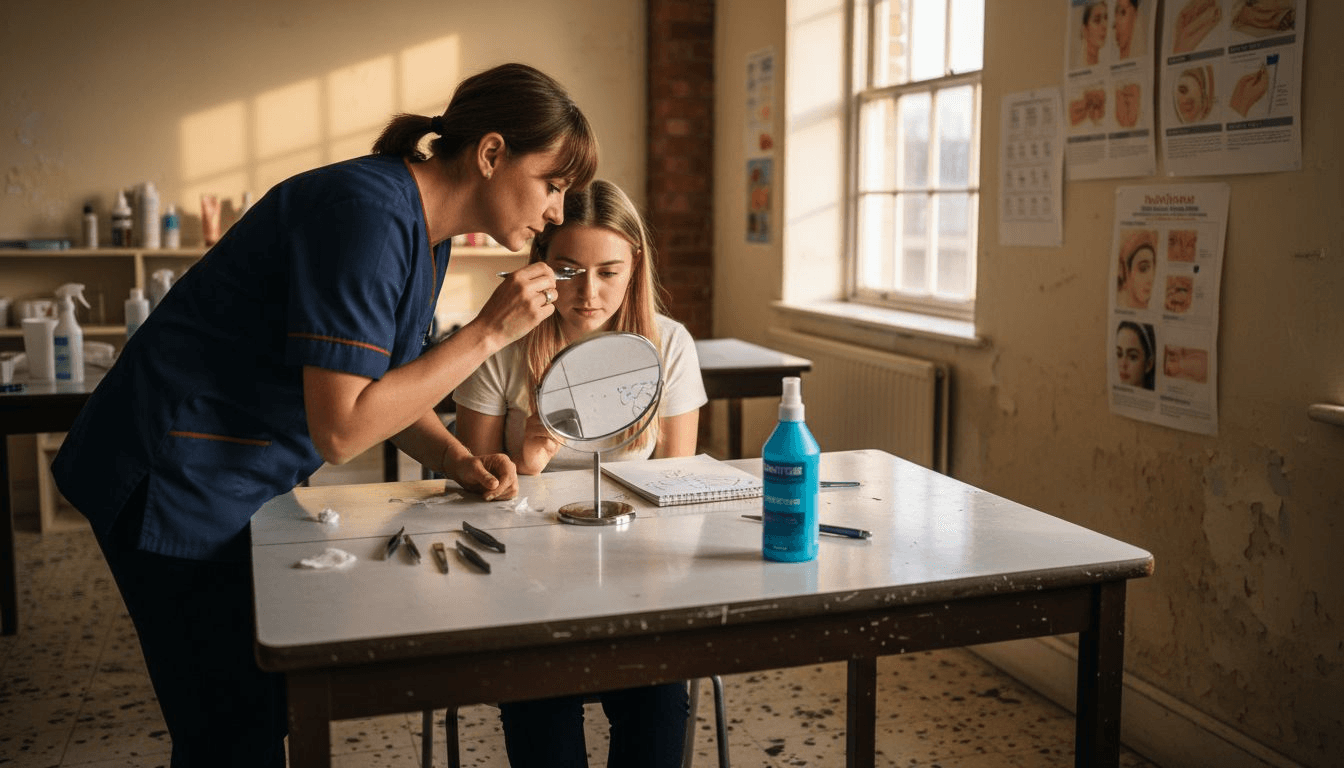
Starting a career in beauty therapy can feel overwhelming when standards and client expectations are higher than ever across London and Essex. For ambitious therapists, accredited training offers a trusted path to real expertise and professional recognition. Programmes with validated qualifications combine theory, hands-on skills, and advanced specialisations, opening doors to roles in leading salons or launching independent practices. Discover how the right accredited course transforms practical passion into a respected profession in this vibrant industry.
Table of Contents
- What Accredited Beauty Courses Involve
- Types Of Beauty Certifications Available
- How Accreditation Benefits Your Career
- Entry Requirements For Course Enrolment
- Costs, Risks And Common Pitfalls
Key Takeaways
| Point | Details |
|---|---|
| Accredited Beauty Courses Offer Comprehensive Training | These programmes cover theoretical knowledge, practical skills, and treatment specialisations essential for professional development. |
| Varied Certification Levels Provide Career Pathways | Different qualifications, from Level 2 to Level 4 and specialised certifications, offer diverse opportunities within the beauty industry. |
| Accreditation Enhances Employability | Recognised accreditation boosts career prospects and ensures training meets industry standards. |
| Financial Planning is Crucial | Students should prepare for tuition fees and equipment costs while considering the ongoing need for professional development. |
What Accredited Beauty Courses Involve
Accredited beauty courses are comprehensive training programmes designed to equip aspiring beauty therapists with professional skills and recognised qualifications. These programmes go far beyond basic cosmetic application, offering students deep insights into advanced beauty techniques, industry standards, and professional practice.
The core structure of accredited beauty courses typically encompasses several key components:
- Theoretical Knowledge: In-depth classroom learning covering anatomy, skin science, and treatment principles
- Practical Skills Training: Hands-on work in commercial settings with real clients and professional equipment
- Treatment Specialisations: Advanced modules in facial therapies, body treatments, and specialised beauty interventions
- Professional Certification: Recognised qualifications from validated industry bodies
Practical training is a critical aspect of these programmes. Students learn not just technique, but the nuanced understanding of different skin types, treatment protocols, and client consultation skills. Unlike basic beauty courses, accredited programmes provide comprehensive training that prepares students for genuine professional environments.
The curriculum often includes specialised modules covering:
- Advanced skincare treatments
- Electrotherapy techniques
- Holistic beauty approaches
- Professional client management
- Business and marketing skills for beauty professionals
Most accredited beauty courses range from six months to two years, depending on the depth of qualification and level of specialisation. They provide a structured pathway for students to transform their passion into a credible professional career.
Pro tip: Always verify the accreditation status of your chosen beauty course with recognised professional bodies before enrolling.
Types Of Beauty Certifications Available
Beauty certifications offer professional pathways for aspiring therapists, ranging from foundational qualifications to advanced specialised credentials. These certifications are crucial for establishing credibility, demonstrating expertise, and accessing diverse career opportunities within the beauty and aesthetic industry.
The primary categories of beauty certifications include:
- Level 2 Diploma: Entry-level qualification covering basic beauty treatments
- Level 3 Certificate: Advanced practical skills and comprehensive treatment techniques
- Level 4 Advanced Diploma: Specialist training for senior beauty professionals
- Specialised Certifications: Targeted qualifications in specific treatment modalities
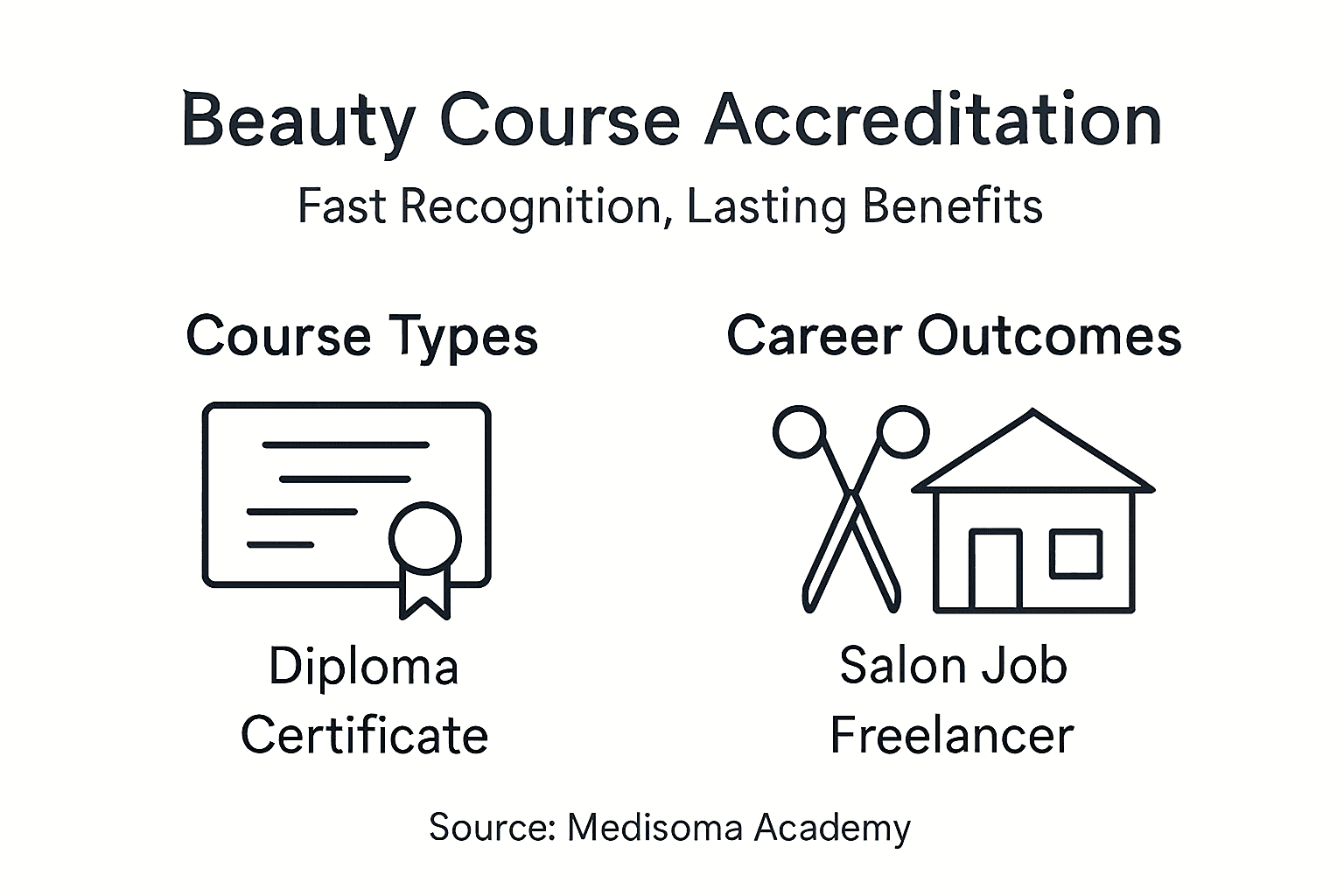
The Level 4 Advanced Diploma represents a significant milestone for ambitious beauty therapists. This comprehensive qualification encompasses sophisticated modules including advanced skincare, laser treatments, microdermabrasion, and salon management techniques. Professional bodies like VTCT (Vocational Training Charitable Trust) validate these programmes, ensuring high educational standards.
Different certification levels offer unique career progression opportunities:
- Entry-level certificates focus on fundamental beauty techniques
- Intermediate qualifications introduce complex treatment protocols
- Advanced diplomas prepare professionals for senior therapeutic roles
- Specialised certifications enable niche treatment expertise
- Continuous professional development maintains industry relevance
Certification pathways vary in duration and complexity, typically ranging from six months to two years. Students can choose programmes aligned with their career ambitions, whether pursuing salon employment, independent practice, or advanced aesthetic specialisations.
Here is a comparison of common beauty qualifications and their career impact:
| Certification Level | Typical Duration | Main Career Outcome | Example Professional Role |
|---|---|---|---|
| Level 2 Diploma | 6–12 months | Entry to industry basics | Junior Beauty Therapist |
| Level 3 Certificate | 1 year | Broader treatment competence | Beauty Specialist |
| Level 4 Advanced Diploma | 1–2 years | Senior roles and specialisation | Clinical Aesthetician |
| Specialised Qualification | Variable | Niche treatment expertise | Laser or Skincare Specialist |
Pro tip: Regularly update your professional qualifications to remain competitive in the rapidly evolving beauty industry.
How Accreditation Benefits Your Career
Accreditation represents a critical milestone for beauty professionals seeking to establish credibility and unlock career opportunities. Professional recognition through accreditation provides a significant competitive edge in the rapidly evolving beauty and aesthetic industry.
The key benefits of accreditation include:
- Enhanced Employability: Demonstrates proven professional competence
- Industry Validation: Confirms training meets rigorous professional standards
- Career Advancement: Opens doors to senior roles and specialised positions
- Skill Recognition: Validates comprehensive training and expertise
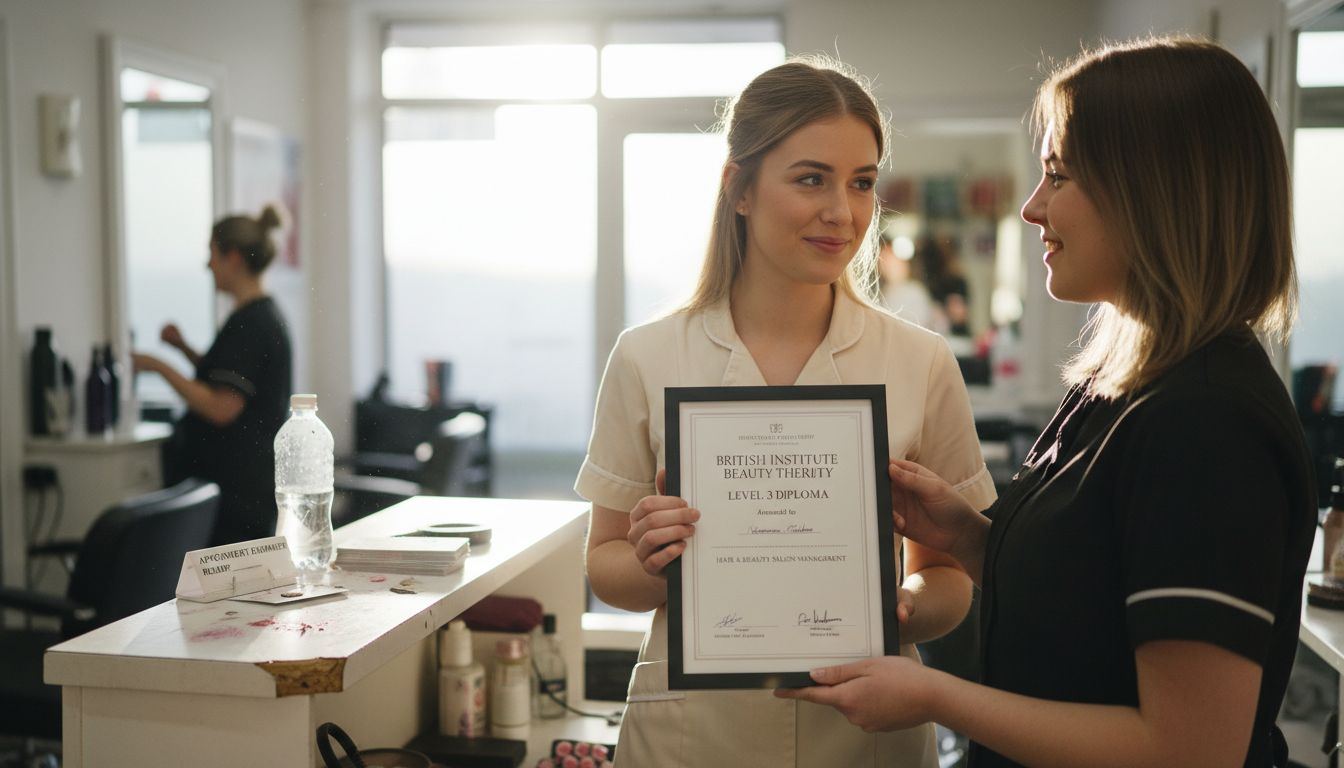
Professional bodies like the British Accreditation Council play a crucial role in maintaining educational quality. They ensure that beauty therapy programmes meet stringent standards of teaching, student support, and continuous improvement. This systematic approach guarantees that accredited professionals are equipped with cutting-edge knowledge and practical skills relevant to current industry demands.
Accreditation impacts career progression through multiple dimensions:
- Increases trust among potential employers
- Provides nationally recognised qualifications
- Enables access to advanced professional networks
- Supports ongoing professional development
- Enhances personal and professional credibility
Moreover, accredited courses demonstrate a commitment to excellence that extends beyond basic training. They represent a comprehensive approach to professional development, ensuring beauty therapists are prepared for the complex and dynamic nature of modern aesthetic practices.
Pro tip: Research and choose accreditation programmes that offer robust industry connections and practical training opportunities.
Entry Requirements For Course Enrolment
Navigating the entry requirements for beauty therapy courses demands careful understanding of academic and professional prerequisites. Beauty course entry standards vary significantly depending on the specific level and specialisation of training.
Typical entry requirements for beauty therapy courses include:
- Academic Qualifications: GCSEs in English and Mathematics
- Minimum Grade Requirements: Grade 4 or above in core subjects
- Prior Experience: Level 1 beauty therapy or equivalent qualification
- Personal Attributes: Demonstrable passion for beauty and aesthetic practices
Different course levels have distinct entry criteria. Foundation and entry-level programmes typically require minimal formal qualifications, focusing more on enthusiasm and potential. Advanced diplomas and specialised courses demand more rigorous academic and practical prerequisites, ensuring students possess the foundational knowledge necessary for professional training.
The comprehensive entry process often involves multiple assessment stages:
- Initial application screening
- Academic qualification verification
- Personal interview assessment
- Practical skills evaluation
- Motivational and career goal discussion
Prospective students should prepare comprehensive documentation, including academic transcripts, professional references, and a compelling personal statement demonstrating their commitment to pursuing a career in beauty therapy.
Pro tip: Gather all necessary documentation and prepare a portfolio showcasing your passion and potential before applying.
Costs, Risks And Common Pitfalls
Pursuing a beauty therapy course requires careful financial and professional planning. Course-related expenses and potential risks can significantly impact a student’s educational journey and future career prospects.
Financial considerations for beauty therapy students include:
- Tuition Fees: Primary educational investment
- Equipment Costs: Uniform and starter kit expenses
- Additional Materials: Professional tools and resources
- Ongoing Professional Development: Continuous training expenses
Typical financial investments range from £100 to £300 for initial equipment, with tuition fees varying depending on course level and institution. Students must budget carefully and understand the full financial commitment required for comprehensive beauty therapy training.
Key risks and potential challenges in beauty therapy education encompass:
- Non-accredited course limitations
- Competitive industry landscape
- Continuous skill update requirements
- Practical work-assessment balance
- Professional insurance complexities
Professional preparedness extends beyond financial investment. Students must develop resilience, maintain consistent skill enhancement, and remain adaptable to industry changes. Understanding these potential challenges helps prospective beauty therapists make informed educational decisions and develop robust career strategies.
Below is a summary of financial and professional considerations before enrolling:
| Consideration | Importance | Practical Tip |
|---|---|---|
| Equipment Costs | Initial investment and upkeep | Budget £100–£300 for quality tools |
| Course Accreditation | Impacts job prospects | Check recognition with industry bodies |
| Ongoing Training Fees | Required for skill currency | Plan for annual refreshers |
| Industry Competition | Affects job opportunities | Gain unique or advanced skills |
Pro tip: Create a comprehensive financial plan and research multiple funding options before committing to a beauty therapy course.
Accelerate Your Beauty Career with Medisoma Academy
Struggling to find accredited beauty courses that offer fast track training combined with high-quality teaching and real industry recognition The journey towards earning professional certification can feel overwhelming but it is essential for standing out in this competitive field At Medisoma Academy we understand the importance of gaining comprehensive skills while building confidence and creativity Our fast track programmes are designed to transform your passion into tangible qualifications quickly without compromising on excellence or personal development
Take the next step in your professional growth by exploring our tailored courses that focus on practical expertise and innovative techniques Discover how you can enhance your employability and enter the beauty industry with confidence Visit Growing – Medisoma for insights on advancing your skills and browse the full range of opportunities at Medisoma now Your accredited beauty career begins here
Frequently Asked Questions
What do accredited beauty courses involve?
Accredited beauty courses involve comprehensive training that covers theoretical knowledge, practical skills training, treatment specialisations, and culminates in professional certification from recognised industry bodies.
How long do accredited beauty courses typically last?
Most accredited beauty courses range from six months to two years, depending on the depth of qualification and level of specialisation.
What benefits does accreditation provide to beauty professionals?
Accreditation enhances employability, confirms professional training meets industry standards, opens doors to career advancement, and validates comprehensive training and expertise in the beauty sector.
What are the common entry requirements for beauty therapy courses?
Typical entry requirements for beauty therapy courses include GCSEs in English and Mathematics, along with grade 4 or above in core subjects, prior experience in beauty therapy, and a demonstrated passion for the field.