
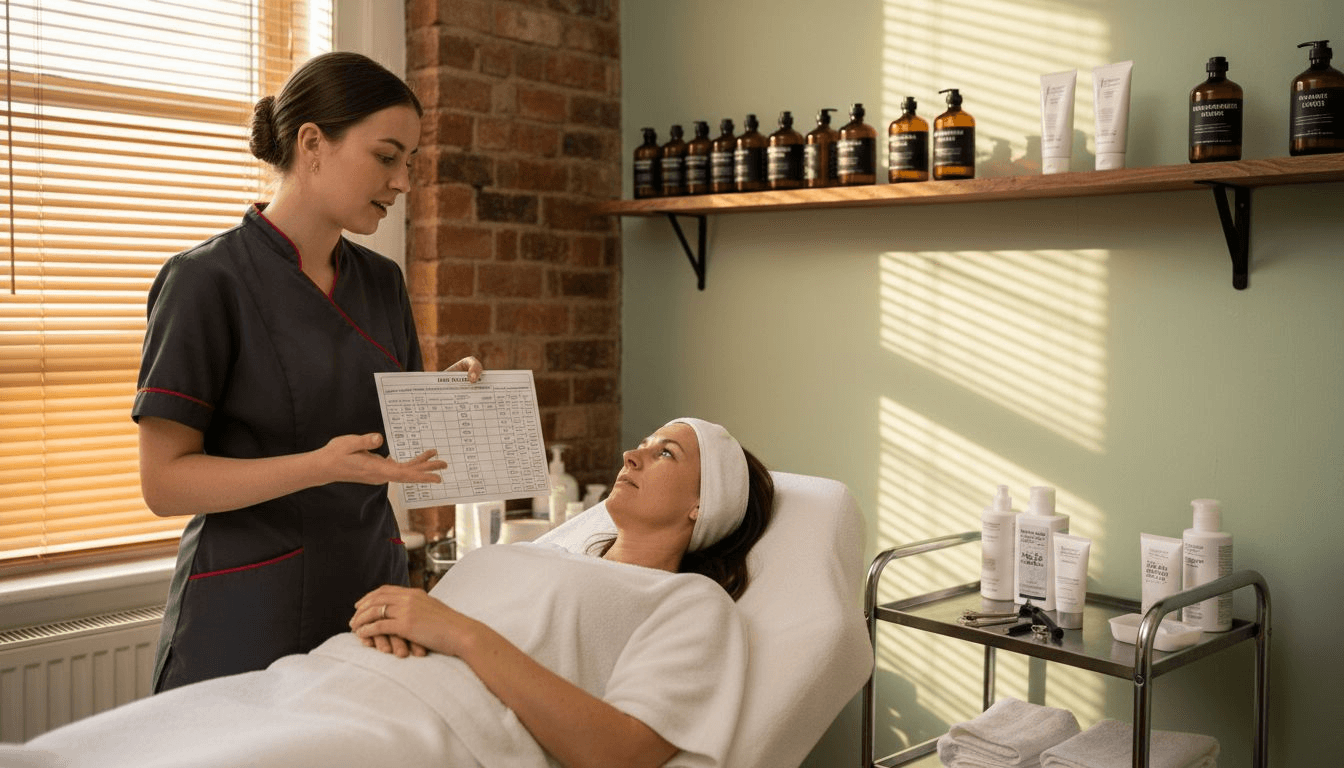
Every client who sits in your chair brings unique skin concerns and expectations. As a beauty therapist, you face real challenges interpreting skin types, choosing the right products, and adapting your techniques for each individual. Without the right skills, it is easy to feel unsure about how to provide safe, effective treatments that actually deliver results.
This guide reveals the exact competencies and professional practices you need to stand out, from accurately recognising skin types and conditions to adopting creative application methods and building lasting client trust. Each section breaks down the practical steps and insights you can use in your daily work for better outcomes and client satisfaction.
Get ready to discover the vital knowledge that sets top UK beauty therapists apart and learn how simple changes in your routine can make a dramatic difference for your clients and your confidence.
Table of Contents
- 1. Understanding Skin Types And Conditions
- 2. Mastering Safe Hygiene Practices
- 3. Perfecting Massage And Facial Techniques
- 4. Developing Effective Communication Skills
- 5. Enhancing Creative Application Methods
- 6. Staying Updated With Industry Trends
- 7. Building Client Trust And Professionalism
Quick Summary
| Key Message | Explanation |
|---|---|
| 1. Understand Skin Types | Identify the five primary skin types to tailor treatments and products for individual client needs. |
| 2. Prioritise Hygiene Practices | Maintain thorough hygiene protocols to ensure client safety and prevent health risks in every treatment. |
| 3. Master Communication Skills | Enhance communication with clients by fostering active listening and empathetic engagement for improved client relationships. |
| 4. Stay Updated on Trends | Engage in continuous professional development to keep abreast of the latest beauty therapy trends and techniques. |
| 5. Build Client Trust | Establish trust through ethical behaviour, consistent quality and clear communication to foster long-term client relationships. |
1. Understanding Skin Types and Conditions
As a beauty therapist, mastering the nuanced world of skin types and conditions is fundamental to delivering exceptional client care. Identifying different skin characteristics enables you to create personalised treatment plans that address individual client needs.
Every skin is unique, but beauty therapists typically encounter five primary skin types:
- Normal Skin: Balanced moisture levels, few imperfections
- Dry Skin: Tight, flaky, prone to irritation
- Oily Skin: Shiny appearance, enlarged pores, potential acne
- Combination Skin: Mixed characteristics across different facial zones
- Sensitive Skin: Easily reactive, prone to redness and inflammation
Understanding skin type is the cornerstone of effective skincare and treatment selection.
Beyond skin types, beauty therapists must recognise common skin conditions that require specialised approaches. These include:
- Acne: Characterised by blocked pores and inflammatory lesions
- Rosacea: Persistent facial redness and potential small blood vessels
- Eczema: Dry, itchy, inflamed skin patches
- Psoriasis: Rapid skin cell production causing scaly skin patches
By developing comprehensive skin knowledge, you can recommend appropriate treatments and products that support skin health and client confidence.
Expert Tip: Always conduct a thorough skin consultation and patch test before recommending any treatment to ensure client safety and personalised care.
2. Mastering Safe Hygiene Practices
Hygiene is the cornerstone of professional beauty therapy. Your clients trust you to maintain the highest standards of cleanliness and infection prevention in every treatment.
Effective hygiene practices protect both the client and the therapist from potential health risks. Key elements of professional hygiene include:
- Thorough handwashing before and after each client interaction
- Sterilising all treatment equipment
- Using disposable protective items
- Maintaining a clean treatment environment
- Proper storage of beauty products
Personal and professional hygiene is not optional; it is a fundamental responsibility of every beauty therapist.
Your hygiene protocol should encompass multiple critical stages:
- Personal hygiene preparation
- Treatment area sanitisation
- Equipment sterilisation
- Client protection measures
- Post-treatment cleaning procedures
Beauty therapists must invest in high-quality sanitisation equipment and develop rigorous cleaning routines. This includes understanding cross-contamination risks and implementing strategies to minimise potential transmission of infections.
Hygiene Expert Tip: Invest in a professional ultraviolet sterilisation unit for tools and always maintain a dedicated cleaning log to track and document your sanitisation processes.
3. Perfecting Massage and Facial Techniques
Mastery of massage and facial techniques is the hallmark of a professional beauty therapist. In the world of skin care, your hands are your most important tools for delivering exceptional client experiences.
Successful massage techniques require a combination of technical skill and intuitive understanding. Advanced massage skills involve more than just physical movement they demand a holistic approach to client wellness.
Key components of professional massage techniques include:
- Precise hand positioning
- Understanding muscle groups
- Reading client body language
- Adapting pressure sensitivity
- Maintaining professional boundaries
Exceptional massage techniques transform a simple treatment into a therapeutic experience.
Facial techniques require even more nuanced skill sets:
- Analyse individual skin types
- Select appropriate massage movements
- Apply gentle but effective pressure
- Recognise client comfort levels
- Integrate appropriate skincare products
Professional beauty therapists must develop muscle memory and technical precision while remaining emotionally attuned to client needs.
Expert Technique Tip: Practice your massage techniques regularly on different skin types and always seek feedback to continuously refine your professional skills.
4. Developing Effective Communication Skills
In the beauty therapy profession, communication is your most powerful tool. Your ability to connect with clients determines the quality of their experience and your professional success.
Effective communication transcends mere conversation. It involves understanding client needs, building trust, and creating a comfortable therapeutic environment. Professional communication techniques are essential skills that separate outstanding therapists from average practitioners.
Key elements of exceptional client communication include:
- Active listening skills
- Empathetic body language
- Clear and concise explanations
- Professional tone and vocabulary
- Emotional intelligence
Masterful communication transforms a standard treatment into an extraordinary client experience.
Practical communication strategies involve:
- Asking open-ended questions
- Demonstrating genuine interest
- Providing clear treatment recommendations
- Managing client expectations
- Handling sensitive discussions professionally
Beauty therapists must develop nuanced interpersonal communication skills that make clients feel heard respected and valued.
Expert Communication Tip: Practice your non-verbal communication by recording yourself and observing your body language gestures and facial expressions during client consultations.
5. Enhancing Creative Application Methods
Creativity transforms beauty therapy from a technical skill into an art form. Professional beauty therapists must continuously evolve their techniques to deliver exceptional client experiences.
Creative application strategies are essential for staying innovative and responsive to client needs. Understanding how to blend technical precision with imaginative approaches sets top therapists apart.
Key creative application methods include:
- Personalised treatment design
- Adaptive technique modification
- Intuitive client assessment
- Innovative product integration
- Holistic treatment perspectives
Creativity in beauty therapy is about solving unique client challenges with imaginative solutions.
Practical strategies for enhancing creative application involve:
- Observing diverse client skin types
- Experimenting with technique variations
- Attending advanced training workshops
- Studying emerging beauty technologies
- Developing personalised treatment protocols
Beauty therapists must cultivate flexible and responsive professional skills that adapt to individual client requirements.
Expert Creative Tip: Maintain a professional portfolio documenting your most innovative treatment approaches and unique client transformations to track your creative development.
6. Staying Updated with Industry Trends
The beauty therapy landscape evolves rapidly with new technologies innovative techniques and emerging client expectations. Professional development is no longer optional it is essential for long-term career success.
Staying current requires a strategic and proactive approach to learning and professional growth. While trends come and go understanding how to navigate industry changes separates exceptional therapists from average practitioners.
Key strategies for staying industry-informed include:
- Following professional beauty publications
- Attending industry conferences
- Participating in continuous training
- Networking with industry professionals
- Exploring online learning platforms
Continuous learning transforms knowledge into a competitive professional advantage.
Practical approaches for trend tracking involve:
- Subscribing to specialist beauty journals
- Joining professional beauty associations
- Following industry leaders on social media
- Engaging in regular skills workshops
- Investing in advanced certification programmes
Beauty therapists must cultivate adaptable and curious professional mindsets that welcome innovation and change.
Expert Update Tip: Dedicate at least two hours weekly to professional development activities such as reading industry journals watching tutorial videos or participating in online training modules.
7. Building Client Trust and Professionalism
Trust is the foundation of success in beauty therapy. Professional reputation determines your ability to attract and retain clients in a competitive industry.
Building genuine client relationships requires more than technical skills. It demands emotional intelligence empathy and consistent professional conduct that demonstrates genuine care and expertise.
Key elements of establishing client trust include:
- Maintaining confidential client records
- Delivering consistent quality treatments
- Demonstrating ethical behaviour
- Showing genuine client respect
- Providing transparent communication
Professionalism transforms a simple treatment into a trusted therapeutic experience.
Practical strategies for building professional trust involve:
- Setting clear client expectations
- Respecting personal boundaries
- Continuously improving skills
- Offering personalised care
- Managing client interactions professionally
Beauty therapists must cultivate authentic and reliable professional personas that inspire confidence and commitment.
Expert Trust Tip: Document every client interaction carefully and follow up with personalised communication to reinforce your commitment to their individual wellness journey.
Below is a comprehensive table summarising the key points and strategies discussed in the article, which focuses on the fundamental skills and knowledge essential for professional beauty therapists.
| Category | Description | Key Insights |
|---|---|---|
| Skin Types | Different skin categories relevant to personalised skin care include normal, dry, oily, combination, and sensitive skin types. | Understanding individual skin types assists in formulating effective and safe treatments. |
| Skin Conditions | Common conditions include acne, rosacea, eczema, and psoriasis. Each condition requires special attention and tailored treatment approaches. | A thorough diagnosis ensures appropriate and targeted skincare solutions. |
| Hygiene Practices | Encompasses handwashing, equipment sterilisation, and maintaining a sanitised treatment environment. | Ensures safety for both client and therapist and builds trust in services provided. |
| Massage Techniques | Professionals must balance technical knowledge, such as muscle understanding, with adaptability to client needs. | Enhances treatment effectiveness and client satisfaction. |
| Communication Skills | Effective communication involves active listening, empathy, and clear explanations. | Builds strong therapist-client relationships and ensures a positive therapeutic environment. |
| Creative Application | Combines technical precision with ingenuity to cater treatments to unique client needs. | Maintains innovative and adaptive practices, enhancing client satisfaction. |
| Professional Development | Staying informed of industry trends and participating in continuous education ensure competitive skills and knowledge. | Provides a competitive advantage and ensures relevancy in evolving beauty therapy practices. |
| Building Client Trust | Involves respect, confidentiality, and delivering consistent quality treatments. | Establishes strong relationships and fosters a reputable professional image. |
Elevate Your Beauty Therapy Career with Medisoma
Mastering the essential skills for beauty therapists is vital to overcoming challenges like client trust, professional communication and innovative treatment techniques. This article highlights key areas such as personalised skin consultations, safe hygiene standards and creative application methods that can make you stand out in a competitive industry. If you are eager to transform your passion into excellence you need more than knowledge – you need high calibre, accredited training that fosters creativity and confidence.
Discover how the Medisoma Academy supports your professional growth with expert courses designed to sharpen your skills and expand your service offerings. Whether you want to enhance client communication or learn the latest industry trends visit our Growing – Medisoma category for resources on career development. Explore proven strategies to build client trust with insights found under Marketing – Medisoma. Take the next step now and join a community that values individuals, promotes self-esteem and encourages enjoyment in beauty therapy at Medisoma. Your journey toward becoming an exceptional beauty therapist starts here.
Frequently Asked Questions
What are the key skills a beauty therapist needs to succeed?
Beauty therapists need to master communication, hygiene practices, skin knowledge, massage and facial techniques, creativity, and trust-building. Focus on developing these skills through regular practice and feedback over the next few months.
How can I improve my communication skills with clients?
To enhance your communication, practice active listening and use empathetic body language during client consultations. Record your interactions and review them to identify areas for improvement within a few weeks.
What steps can I take to ensure proper hygiene in my beauty practice?
Implement a strict hygiene protocol that includes thorough handwashing, sterilising equipment, and maintaining a clean treatment environment. Establish a cleaning log to document hygiene practices, aiming for daily updates.
How do I personalise treatments based on different skin types?
Begin by conducting detailed skin consultations to accurately identify each client’s skin type and specific conditions. Use this information to tailor your treatments accordingly, and regularly revisit your approach to ensure it remains effective.
What is the role of continuous learning in beauty therapy?
Continuous learning is crucial for staying updated with the latest techniques and trends in beauty therapy. Dedicate at least two hours weekly to professional development activities such as reading industry journals or attending workshops to stay ahead in your field.
How can I build trust with my clients?
Building trust involves maintaining confidentiality, delivering consistent quality, and demonstrating genuine care for client well-being. Focus on clear communication and follow up with clients to confirm their satisfaction and needs after treatments.