
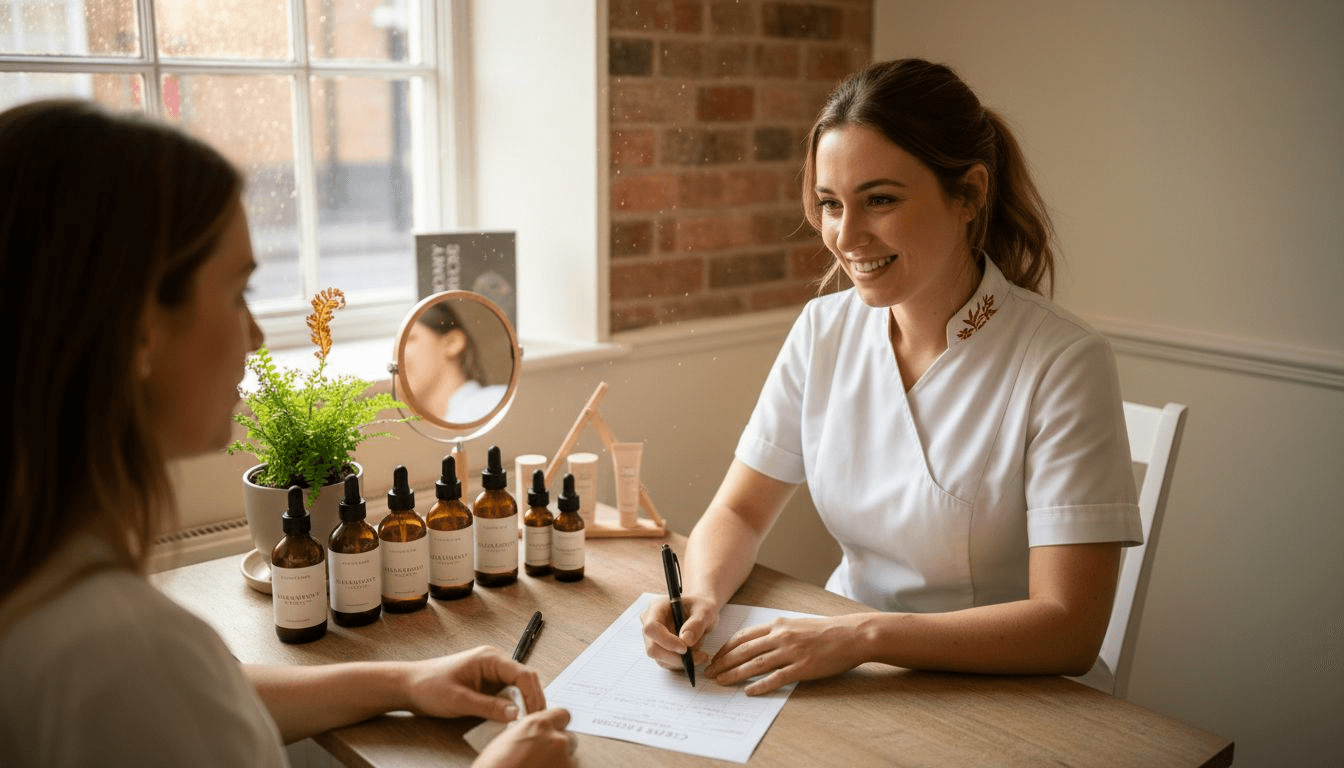
Choosing a career in beauty therapy today means stepping into a field where real change happens for both client and practitioner. In London, aspiring therapists are seeing that this profession now centres on holistic wellness rather than just external beauty. With accredited training, you gain vital expertise in techniques that nurture self-esteem and mental health. Discover how professional beauty therapy knowledge opens doors to self-improvement and empowers you to make a lasting difference.
Table of Contents
- What Beauty Therapy Means Today
- Popular Treatments And Training Areas
- Pathways And Qualifications In The UK
- Legal, Safety And Insurance Requirements
- How Beauty Therapy Supports Self-Development
Key Takeaways
| Point | Details |
|---|---|
| Holistic Approach | Modern beauty therapy integrates physical and mental health, promoting overall well-being rather than just aesthetic enhancement. |
| Rigorous Training | Training programmes now include extensive education in psychology and anatomy, ensuring therapists provide empathetic and informed care. |
| Legal Compliance | Practitioners must adhere to stringent legal requirements, including professional indemnity insurance and health safety protocols, to protect themselves and clients. |
| Empowerment Through Therapy | Beauty therapy fosters self-development and enhanced self-esteem, focusing on personal growth alongside cosmetic treatment. |
What Beauty Therapy Means Today
Beauty therapy has transformed dramatically in recent years, evolving from a purely cosmetic service to a holistic approach addressing physical and psychological well-being. Modern beauty therapy practices now encompass comprehensive health and wellness strategies that extend far beyond traditional beauty treatments.
Today’s beauty therapy represents an integrated approach to personal care, combining technical skills with profound psychological understanding. Professionals in this field recognise that treatments are not just about external appearances but about nurturing self-esteem, reducing stress, and promoting overall mental health. Key aspects of contemporary beauty therapy include:
- Holistic wellness assessment
- Personalised treatment planning
- Mental health support through therapeutic touch
- Advanced skin and body treatment techniques
- Stress reduction and relaxation therapies
The recognition of beauty therapy as a serious healthcare discipline continues to grow. Professional practitioners now work closely with medical professionals, understanding the intricate connections between physical treatments and psychological well-being. This approach transforms beauty therapy from a perceived luxury service into a critical component of comprehensive personal healthcare.
Beauty therapy is no longer about superficial aesthetics, but about empowering individuals through professional, scientifically-informed care.
Professional training has become increasingly rigorous, with comprehensive programmes covering not just technical skills but also understanding of human psychology, anatomy, and wellness principles. These expanded educational frameworks ensure that beauty therapists are equipped to provide nuanced, empathetic care.
Here’s how modern beauty therapy distinguishes itself from traditional practice:
| Aspect | Traditional Beauty Therapy | Modern Beauty Therapy |
|---|---|---|
| Primary Focus | Superficial appearance | Holistic health and well-being |
| Practitioner Role | Cosmetic service provider | Wellness and mental health facilitator |
| Skills Emphasised | Basic technical treatments | Technical and psychological expertise |
| Collaboration | Limited medical ties | Works with healthcare professionals |
| Training Depth | Foundation skills only | Includes anatomy, psychology, wellness |
| Client Experience | Pampering and aesthetics | Transformative, empowering care |
Pro tip: Research accredited beauty therapy programmes that offer comprehensive training in both technical skills and holistic wellness approaches.
Popular Treatments And Training Areas
Modern beauty therapy training encompasses a diverse range of treatments and specialisations that reflect the evolving landscape of personal care and wellness. Beauty therapy professionals today are skilled practitioners who offer much more than traditional cosmetic services, delivering comprehensive treatments that address both physical appearance and individual well-being.
The most popular treatments in contemporary beauty therapy include:
- Facial treatments
- Waxing and hair removal
- Manicure and pedicure services
- Nail art and extensions
- Advanced skincare procedures
- Makeup application
- Eye treatments
- Body massage techniques
Scientific foundations are now integral to beauty therapy training. Students learn critical skills that go beyond surface-level techniques, gaining deep understanding of human anatomy, physiology, and the scientific principles underlying different treatments. Training programmes now incorporate advanced modules on electrical theory, nutrition, and specialised treatment applications.
Modern beauty therapy training bridges technical skill with scientific understanding, creating holistic wellness professionals.
Specialised training areas have expanded significantly, reflecting the industry’s growing complexity. Contemporary beauty therapy education covers emerging technologies like laser treatments, advanced skincare techniques, and comprehensive wellness approaches. Practitioners are no longer just service providers but healthcare-adjacent professionals who understand the intricate connections between physical treatments and overall health.

Pro tip: Choose training programmes that offer comprehensive modules covering both practical skills and scientific foundations to enhance your professional versatility.
Pathways And Qualifications In The UK
UK beauty therapy training offers comprehensive and structured career development opportunities for aspiring beauty professionals across multiple qualification levels. The national framework provides clear progression routes from entry-level certificates to advanced professional diplomas, ensuring practitioners can systematically build their expertise and credentials.
The primary qualification pathways in beauty therapy include:
- Level 2 Certificate in Beauty Therapy
- Level 3 Diploma in Beauty Therapy
- Advanced Specialist Diplomas
- Vocational National Diplomas
- Apprenticeship programmes
- Professional Enhancement Courses
Accreditation plays a crucial role in beauty therapy qualifications. Professional bodies like City & Guilds, VTCT, and ITEC provide internationally recognised certifications that validate a practitioner’s skills and knowledge. These qualifications ensure students receive standardised, high-quality training that meets industry-specific professional standards.
Professional beauty therapy qualifications are not just certificates, but gateways to comprehensive career opportunities.
Modern beauty therapy education has evolved beyond traditional classroom learning. Many institutions now offer flexible training options, including part-time studies, online modules, and work-based learning programmes. These innovative approaches allow students to balance professional development with existing work or personal commitments, making career progression more accessible.

Below is a concise comparison of UK beauty therapy qualification pathways:
| Qualification Level | Typical Duration | Key Outcome |
|---|---|---|
| Level 2 Certificate | 6-12 months | Foundation in core skills |
| Level 3 Diploma | 1-2 years | Advanced treatment proficiency |
| Specialist Diplomas | Varies | Expertise in new technologies |
| Apprenticeships | 1-2 years | Work-based practical learning |
| Enhancement Courses | Flexible | Continued professional development |
Pro tip: Always verify the accreditation and industry recognition of your chosen beauty therapy qualification before enrolling.
Legal, Safety And Insurance Requirements
Non-surgical cosmetic procedure regulations in the United Kingdom are becoming increasingly stringent, reflecting the growing complexity of beauty therapy practices. Professional beauty therapists must navigate a complex landscape of legal obligations, safety protocols, and insurance requirements that protect both practitioners and clients.
Key legal and safety considerations for beauty therapy professionals include:
- Professional indemnity insurance
- Comprehensive client consent documentation
- Regular health and safety training
- Adherence to data protection regulations
- Maintaining clean and sanitised working environments
- Certification of professional qualifications
- Compliance with health and safety legislation
Liability protection is crucial in beauty therapy practice. Professional indemnity insurance provides financial protection against potential claims arising from professional treatments. This coverage typically includes protection against professional negligence, accidental injury, and potential legal expenses associated with client disputes.
Safety is not an option in beauty therapy – it is an absolute requirement.
The regulatory framework for beauty therapy continues to evolve, with increasing emphasis on practitioner accountability and client protection. Beauty professionals must stay informed about changing legal requirements, maintain up-to-date certifications, and demonstrate a commitment to ethical and safe practice. This includes understanding informed consent, maintaining detailed client records, and implementing rigorous health and safety protocols.
Pro tip: Invest in comprehensive professional insurance and regularly update your knowledge of legal requirements to protect your practice and clients.
How Beauty Therapy Supports Self-Development
Modern beauty therapy approaches recognise that personal transformation extends far beyond physical appearance. Self-development through beauty therapy is a holistic journey that nurtures psychological well-being, builds confidence, and empowers individuals to develop a positive self-image.
Key aspects of self-development through beauty therapy include:
- Enhanced self-confidence
- Stress reduction techniques
- Body positivity exploration
- Mental health support
- Personal care skill development
- Non-verbal communication improvement
- Emotional resilience building
Psychological empowerment is a critical component of beauty therapy. Professional treatments provide more than cosmetic improvements; they create transformative experiences that help individuals reconnect with themselves. Through carefully designed therapeutic interventions, clients learn to appreciate their unique qualities and develop a more compassionate relationship with their physical and emotional selves.
Self-development is not about changing who you are, but discovering and celebrating your authentic potential.
Beauty therapy professionals act as holistic wellness guides, helping clients navigate personal challenges and emotional landscapes. By offering personalised treatments that address both physical and psychological needs, these practitioners support clients in developing stronger self-esteem, improved body awareness, and more positive self-perception. The therapeutic relationship becomes a powerful tool for personal growth and transformation.
Pro tip: Approach beauty therapy as a journey of self-discovery, not just a series of cosmetic treatments.
Elevate Your Beauty Therapy Skills and Self-Esteem with Medisoma Academy
The article highlights the importance of transforming beauty therapy from superficial treatments into holistic care that nurtures both technical skills and personal confidence. If you are ready to embrace this empowering approach and develop the scientific expertise and psychological insight that modern beauty therapy demands Medisoma Academy offers accredited fast-track courses designed to build your competence and self-esteem alongside your practical skills. Our programmes encourage creativity and innovation while focusing on excellence and personal growth.
Discover how to grow your professional capabilities and your confidence with courses that integrate wellness and scientific foundations. Start your journey today by exploring our Growing – Medisoma resources to expand your knowledge and skillset.
Step into a rewarding career that values you as an individual and promotes empowerment. Visit Medisoma now to learn more about our beauty therapy courses and how they can transform your skills and self-esteem. To help build a thriving career, check out our expert insights on Monetizing – Medisoma and elevate your professional success.
Frequently Asked Questions
What does modern beauty therapy encompass?
Modern beauty therapy includes a holistic approach to personal care that integrates physical treatments with mental health support, focusing on overall well-being rather than just aesthetics.
How is beauty therapy training different today compared to traditional training?
Today’s beauty therapy training emphasises both technical skills and psychological understanding, incorporating scientific principles related to anatomy, physiology, and wellness into the curriculum.
What are the most popular treatments offered in contemporary beauty therapy?
Popular treatments include facial treatments, advanced skincare procedures, body massage techniques, waxing, and makeup application, alongside mental health support and relaxation therapies.
Why is professional training important in beauty therapy?
Professional training ensures that beauty therapists are equipped with the necessary skills, knowledge, and understanding of health and safety regulations, allowing them to provide comprehensive care and collaborate effectively with healthcare professionals.