
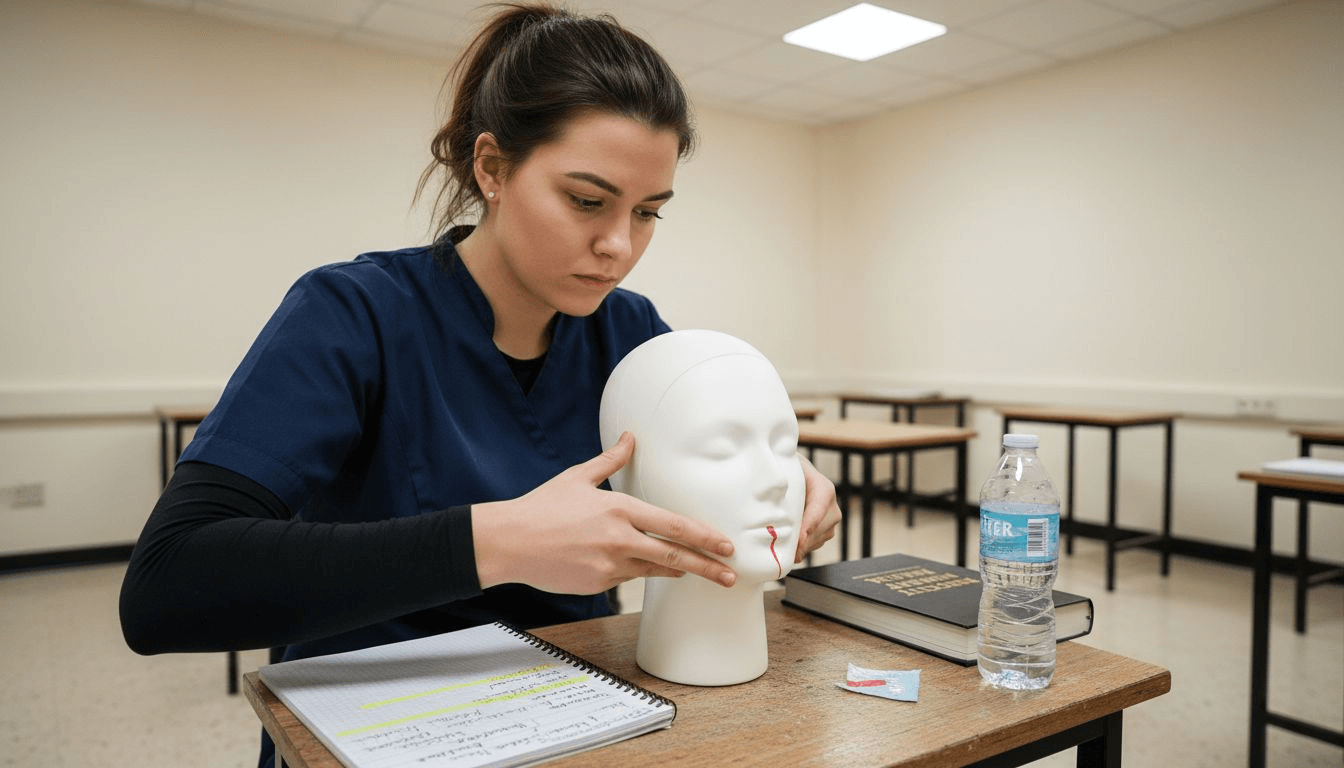
Finding clear guidance through the world of beauty training can feel confusing, especially with so many courses in places like London and Essex claiming quick success. Many students discover that not all programmes offer true career value or recognised qualifications. Selecting an accredited beauty course not only avoids wasted time but ensures your skills and confidence will stand out to employers, insurers, and clients. This guide dispels common myths, highlights real industry standards, and explains how choosing the right course shapes your future in beauty.
Table of Contents
- Beauty Courses Defined And Common Myths
- Types Of Accredited UK Beauty Courses
- Core Skills And Learning Outcomes
- Legal And Licensing Essentials For 2026
- Career Benefits Versus Non-Accredited Routes
- Avoiding Pitfalls And Maximising Investment
Key Takeaways
| Point | Details |
|---|---|
| Accreditation is Vital | Enrolling in accredited beauty courses ensures recognition and credibility in the industry. |
| Comprehensive Training Required | Aspiring professionals should seek courses that provide a mix of theoretical knowledge and practical skills. |
| Continuous Learning is Essential | Beauty professionals must engage in ongoing education to stay current with industry standards and trends. |
| Legal Compliance is Crucial | Understanding and adhering to legal requirements is necessary for maintaining professional standards and client trust. |
Beauty courses defined and common myths
Beauty courses represent structured training programmes designed to equip aspiring beauty professionals with specialised skills, theoretical knowledge, and practical techniques required in the rapidly evolving beauty and aesthetic industry. Unlike casual workshops or short tutorials, comprehensive beauty courses provide systematic education that prepares students for professional certification and career advancement.
Unfortunately, the beauty training landscape is fraught with misconceptions. Many individuals fall prey to misleading training course claims that promise unrealistic outcomes. Understanding the reality of professional beauty education is crucial for making informed career decisions.
Common myths about beauty courses include:
- Quick Qualification Myth: Believing professional certification can be achieved in a few days
- Universal Accreditation Myth: Assuming all courses provide nationally recognised qualifications
- Instant Expertise Myth: Thinking a short course automatically makes someone a professional practitioner
- Price Equals Quality Myth: Believing the most expensive course guarantees the best training
Realistic beauty course expectations involve comprehensive training that covers:
- Theoretical foundations of beauty treatments
- Practical hands-on skills development
- Professional ethics and legal compliance
- Industry-standard techniques and technologies
- Client consultation and communication skills
Professional beauty courses accredited by recognised bodies like VTCT or ABT ensure practitioners receive high-quality, legally compliant training. These programmes typically require substantial time investment and demonstrate a commitment to professional standards.

Pro tip: Always verify a beauty course’s accreditation with official UK professional bodies before enrolling to guarantee the qualification’s legitimacy and industry recognition.
Types of accredited UK beauty courses
The United Kingdom offers a diverse range of beauty courses that cater to different skill levels and career aspirations. City & Guilds beauty qualifications provide comprehensive training pathways from entry-level to advanced professional certifications, ensuring students receive industry-recognised credentials.
Accredited beauty courses in the UK typically fall into several distinct categories:
- Entry-Level Courses: Foundational training in basic beauty treatments
- Advanced Aesthetic Courses: Specialised training in complex beauty procedures
- Professional Certification Programmes: Comprehensive qualifications for career progression
- Continuous Professional Development (CPD): Specialist skill enhancement courses
The most prominent accreditation bodies in the UK beauty industry include:
- City & Guilds
- VTCT (Vocational Training Charitable Trust)
- ABT (Association of Beauty Therapists)
- BABTAC (British Association of Beauty Therapy and Cosmetology)
These accreditation bodies ensure that beauty courses meet rigorous national standards, covering essential skills such as:
- Nail technology
- Facial treatments
- Makeup application
- Waxing techniques
- Lash and brow services
- Body massage
- Spa therapies
Key Course Types include classroom-based training, online learning, and hybrid programmes that blend theoretical knowledge with practical skills development. Modern beauty courses now incorporate advanced techniques like chemical peels, microneedling theory, and comprehensive skin science to reflect evolving industry demands.
Pro tip: Always verify a beauty course’s specific accreditation and ensure it aligns with your career goals before enrolling.
Core skills and learning outcomes
Scottish beauty course standards provide a comprehensive framework for developing professional beauty practitioners, emphasising not just technical skills but holistic professional competence. The core learning outcomes are designed to transform students from novice learners into confident, skilled beauty professionals capable of delivering exceptional client experiences.
Key professional skills developed through beauty courses include:
- Technical Expertise: Precision in beauty treatment techniques
- Client Communication: Effective consultation and service delivery
- Health and Safety: Understanding professional safety protocols
- Product Knowledge: Comprehensive understanding of beauty technologies
- Critical Thinking: Problem-solving in complex beauty scenarios
The essential learning outcomes for beauty professionals encompass multiple critical dimensions:
- Treatment Execution Skills
- Client Relationship Management
- Professional Ethics and Standards
- Business and Retail Awareness
- Personal Development and Continuous Learning
Practical Competencies that students typically develop include:
- Facial treatment techniques
- Nail technology and design
- Makeup application strategies
- Waxing and hair removal procedures
- Skin analysis and consultation
- Advanced aesthetic treatment protocols
- Professional retail product recommendations
Modern beauty courses go beyond traditional skill training, integrating soft skills that are crucial for professional success. These include interpersonal communication, teamwork, time management, and the ability to work effectively in fast-paced salon environments.
Professional beauty education is about creating well-rounded practitioners who can excel technically and interpersonally.
Pro tip: Document every skill you learn during your beauty course and create a professional portfolio to showcase your evolving expertise.
Legal and licensing essentials for 2026
The beauty industry continues to evolve rapidly, with increasingly complex legal and licensing requirements that professionals must navigate carefully. Beauty practitioners must stay informed about the latest regulatory changes to ensure compliance, protect their professional standing, and maintain high standards of client safety and service delivery.
Key legal and licensing requirements for beauty professionals in 2026 include:
- Professional Registration: Mandatory certification with recognised bodies
- Insurance Requirements: Comprehensive professional liability coverage
- Continued Professional Development (CPD): Regular skills and knowledge updates
- Health and Safety Compliance: Adherence to current industry regulations
- Ethical Practice Standards: Maintaining professional conduct guidelines
Critical licensing and legal considerations for beauty practitioners:
- Obtain valid professional qualifications from accredited institutions
- Maintain current professional indemnity insurance
- Complete regular health and safety training
- Stay updated with industry regulatory changes
- Maintain accurate client treatment records
Emerging Legal Frameworks in the beauty industry are increasingly focused on:
- Data protection and client confidentiality
- Advanced skin treatment protocols
- Non-invasive cosmetic procedure regulations
- Digital record-keeping standards
- Professional conduct in online consultations
Regulatory compliance is not just a legal requirement, but a mark of professional excellence and client trust.
Professionals must also be aware of technological and regulatory shifts that impact beauty practice, including digital certification processes, enhanced professional standards, and more rigorous training requirements.
Pro tip: Create a dedicated professional folder to track your certifications, insurance documents, and continuing education credits to ensure seamless regulatory compliance.
Career benefits versus non-accredited routes
Choosing accredited training pathways represents a critical decision for aspiring beauty professionals seeking sustainable career growth. The stark differences between accredited and non-accredited routes can significantly impact long-term professional opportunities and industry recognition.
Key advantages of accredited beauty courses include:
- Professional Credibility: Recognised qualifications from reputable institutions
- Employment Prospects: Higher likelihood of securing desirable positions
- Skill Validation: Comprehensive, industry-standard training
- Insurance Eligibility: Easier access to professional liability coverage
- Continuous Learning: Structured pathways for career development
Comparative analysis of accredited versus non-accredited routes:
- Qualification Recognition
- Industry Employability
- Professional Standards Alignment
- Career Progression Potential
- Financial Investment Returns
Non-Accredited Route Limitations:
- Limited professional recognition
- Potential barriers to insurance
- Restricted career advancement opportunities
- Lower perceived competence by employers
- Minimal standardised skill validation
Professional success in beauty requires more than basic training – it demands comprehensive, recognised qualifications.
Modern employers increasingly prioritise candidates with verifiable, accredited training, understanding that certified professionals bring higher levels of expertise, reliability, and commitment to their practice.
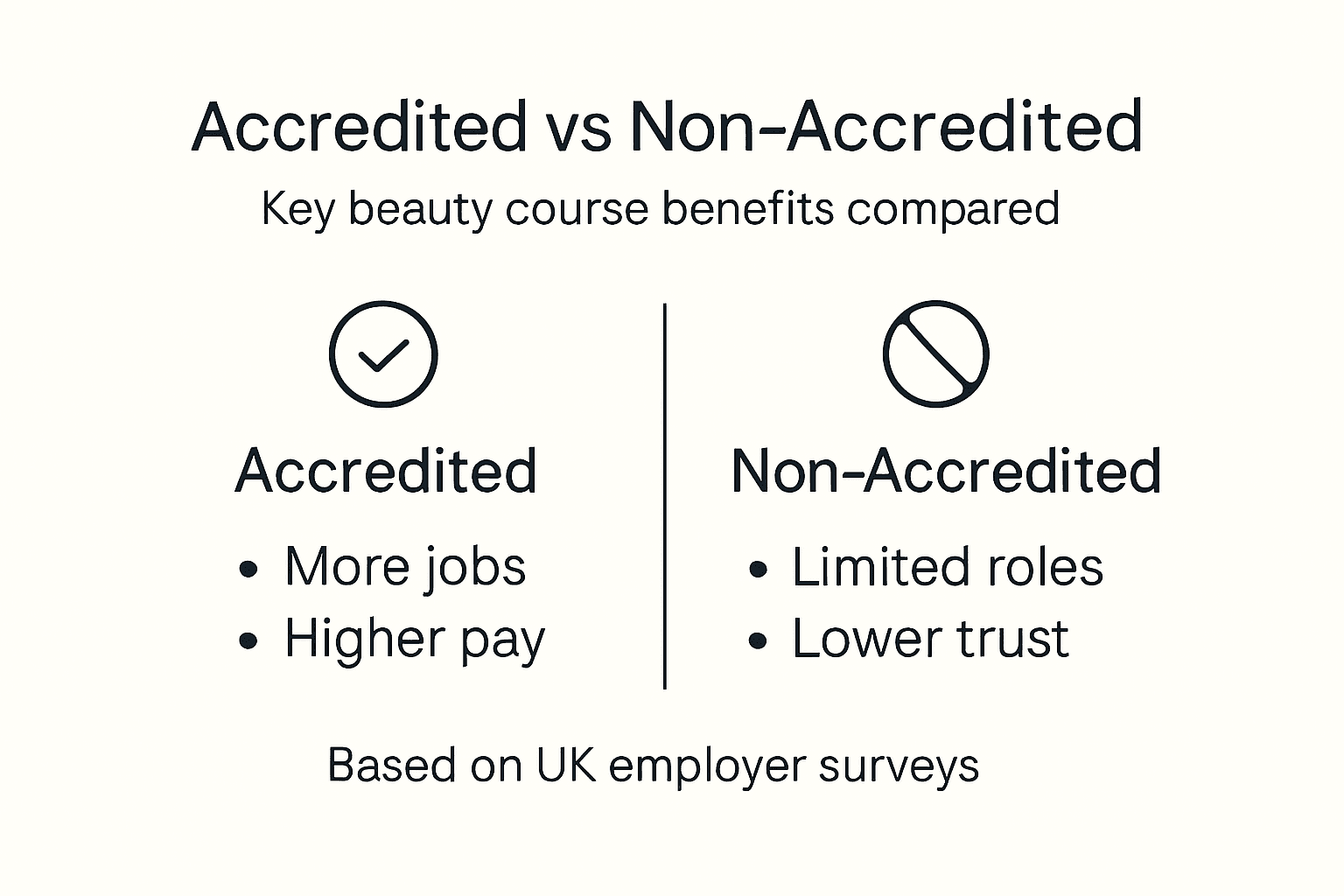
The following table summarises key differences between accredited and non-accredited beauty training routes for career-minded professionals:
| Aspect | Accredited Courses | Non-Accredited Routes |
|---|---|---|
| Employer Preference | Frequently required for top salons | Rarely considered by quality employers |
| Insurance Eligibility | Meets policy standards | May face rejections |
| Long-Term Career Growth | Structured advancement pathways | Limited progression options |
| Legal Compliance | Aligned with 2026 regulations | Often falls short |
| Industry Recognition | Recognised across the UK | Recognition typically local or informal |
Pro tip: Research and compare multiple accredited course providers, examining their specific industry connections and graduate success rates before making your final training investment.
Avoiding pitfalls and maximising investment
Navigating the competitive beauty industry requires strategic planning and comprehensive business education. Success demands more than technical skills; it requires a holistic understanding of market dynamics, financial management, and professional development strategies.
Common pitfalls in beauty career development include:
- Inadequate Financial Planning: Neglecting business financial literacy
- Skills Stagnation: Failing to update professional capabilities
- Market Misalignment: Ignoring emerging industry trends
- Poor Networking: Limited professional connections
- Compliance Ignorance: Overlooking regulatory requirements
Strategic approaches to maximising educational investment:
- Select accredited, comprehensive training programmes
- Develop robust business management skills
- Build a diverse professional network
- Invest in continuous learning
- Understand market economics
Investment Optimisation Strategies:
- Prioritise courses with practical business modules
- Seek programmes offering industry connections
- Develop digital marketing capabilities
- Learn financial management fundamentals
- Understand client relationship management
Successful beauty professionals view education as an ongoing investment, not a one-time expense.
Modern beauty careers require adaptability, with professionals needing to continuously evolve their skill sets to remain competitive in a rapidly changing industry landscape.
Use this table as a quick reference to understand how business and technical skills work together for beauty career success:
| Focus Area | Skill Examples | Why It Matters |
|---|---|---|
| Technical Expertise | Advanced skin treatments | Ensures safe, high-quality service |
| Business Acumen | Financial planning, marketing | Drives profitability and client growth |
| Compliance | Health and safety protocols | Minimises legal and insurance risks |
| Client Relations | Consultation, communication | Fosters loyalty and referrals |
| Digital Skills | Social media presence | Expands reach and brand awareness |
Pro tip: Create a personalised professional development roadmap that combines technical training with business skills to ensure comprehensive career growth.
Elevate Your Beauty Career with Accredited Training at Medisoma
Facing challenges like finding accredited, comprehensive beauty courses that truly prepare you for the evolving industry can feel overwhelming. With concerns around unrealistic course promises and non-accredited routes limiting career progression, investing in high-quality training is essential. This article highlights the importance of professional certification, legal compliance, and continuous learning — all critical to building confidence, credibility, and career momentum.
At Medisoma Academy, we understand these challenges and offer fast track, accredited beauty courses designed to help you grow your skills and career with exceptional teaching standards. Whether you want to refine your technical expertise or develop business acumen, our programmes empower you to succeed in this competitive field.
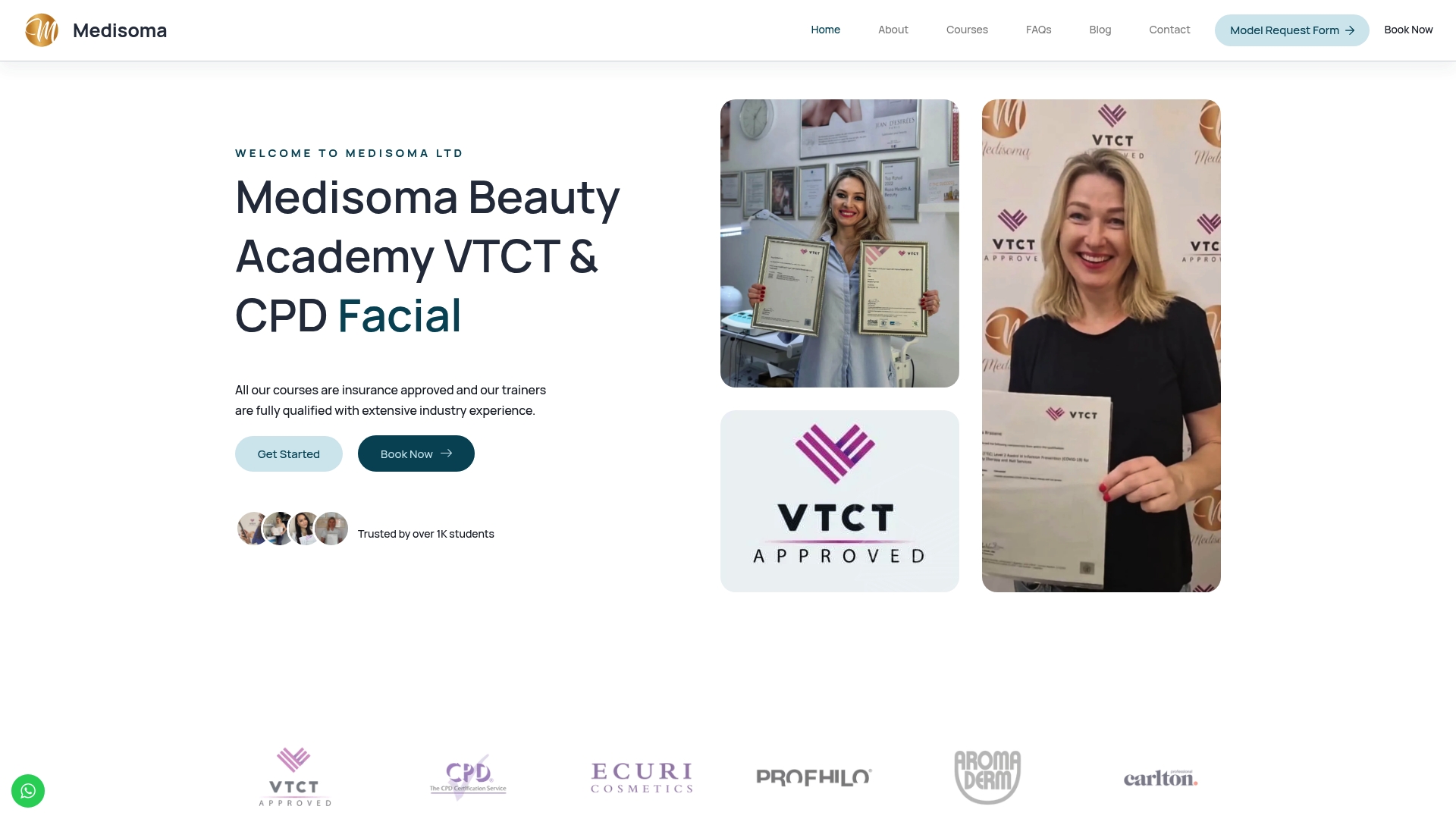
Discover how our courses support your journey to professional excellence and compliance while fostering creativity and self-esteem. Start elevating your career today by exploring our Growing – Medisoma, Monetizing – Medisoma, and Marketing – Medisoma solutions. For a trusted partner in your beauty training, visit Medisoma and take the first step towards a rewarding future.
Frequently Asked Questions
What are the main benefits of investing in accredited beauty courses?
Investing in accredited beauty courses enhances professional credibility, improves employment prospects, validates skills, and ensures compliance with industry standards, making it easier to obtain insurance and advance in your career.
How do I choose the right beauty course for my career goals?
To choose the right beauty course, consider your current skill level, desired specialisations, the course’s accreditation status, and the reputation of the training provider. Look for programmes that offer comprehensive training and align with industry requirements.
What core skills can I expect to gain from beauty courses?
Beauty courses typically equip you with technical expertise in beauty treatments, client communication skills, health and safety knowledge, product understanding, and critical thinking abilities, preparing you to excel in a professional environment.
How important is accreditation when selecting a beauty course?
Accreditation is crucial as it signifies that the course meets established industry standards. Enrolling in an accredited programme enhances your qualifications’ recognition, improving your employability and ensuring you receive high-quality training.