
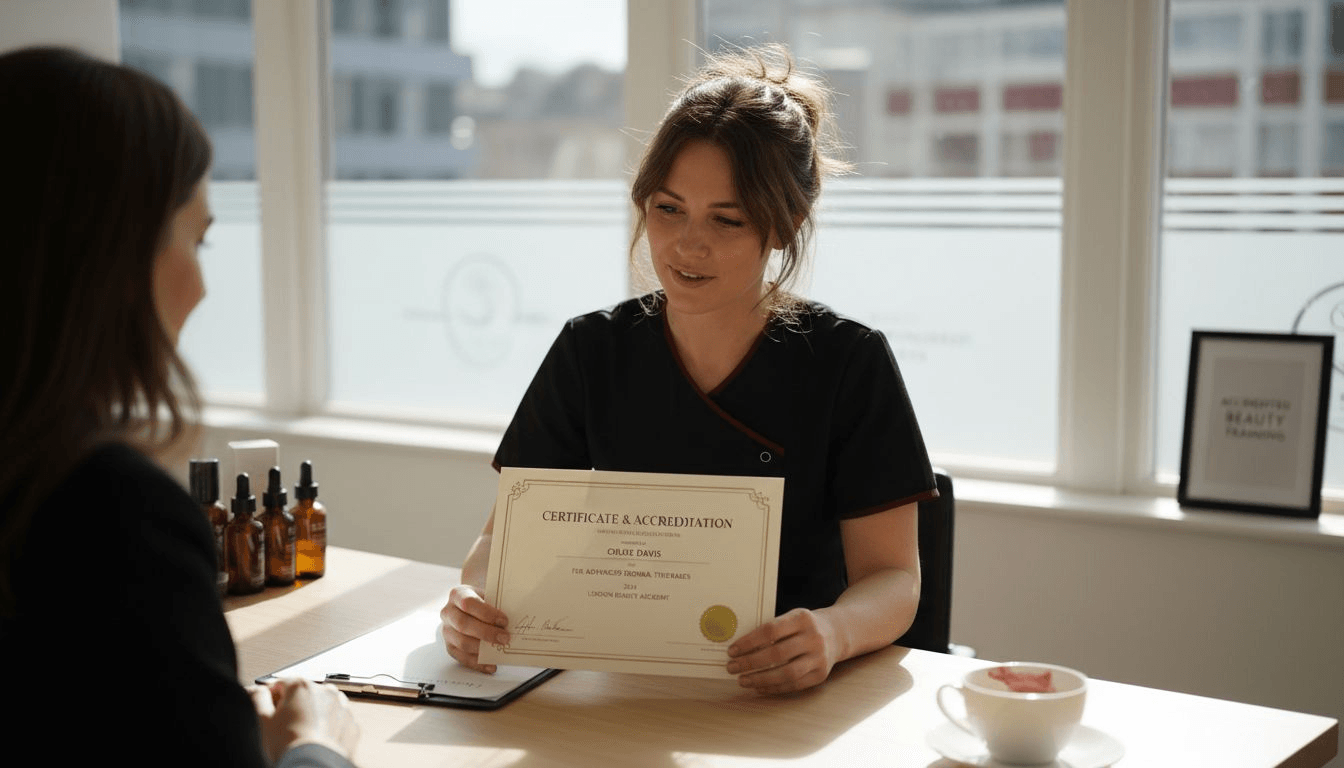
Starting a beauty therapy career in London or Essex can feel overwhelming when it comes to choosing the right training programme. Accreditation stands at the heart of building trust, ensuring safety, and setting clear professional standards for both you and your future clients. By understanding the power of accredited qualifications, you will discover how formal recognition boosts your opportunities, gives legal credibility, and prepares you for real-world practice in respected salons and clinics.
Table of Contents
- What Accreditation Means in Beauty Therapy
- Types of Accreditation and Awarding Bodies
- How Accreditation Impacts Career Opportunities
- Legal Standards and Insurance Requirements
- Risks of Non-Accredited Courses in the UK
Key Takeaways
| Point | Details |
|---|---|
| Importance of Accreditation | Accreditation validates professional training, compliance with safety standards, and demonstrates ongoing professional development, impacting career opportunities and client trust. |
| Key Awarding Bodies | Major UK awarding bodies like VTCT Skills, City & Guilds, and Pearson BTEC provide recognised qualifications essential for career advancement in beauty therapy. |
| Legal Standards Compliance | Practitioners must adhere to legal requirements such as professional indemnity insurance and health and safety regulations to ensure client safety and professional credibility. |
| Risks of Non-Accreditation | Non-accredited courses pose significant risks to professionalism, credibility, and legal compliance, which can hinder career prospects and client safety. |
What Accreditation Means in Beauty Therapy
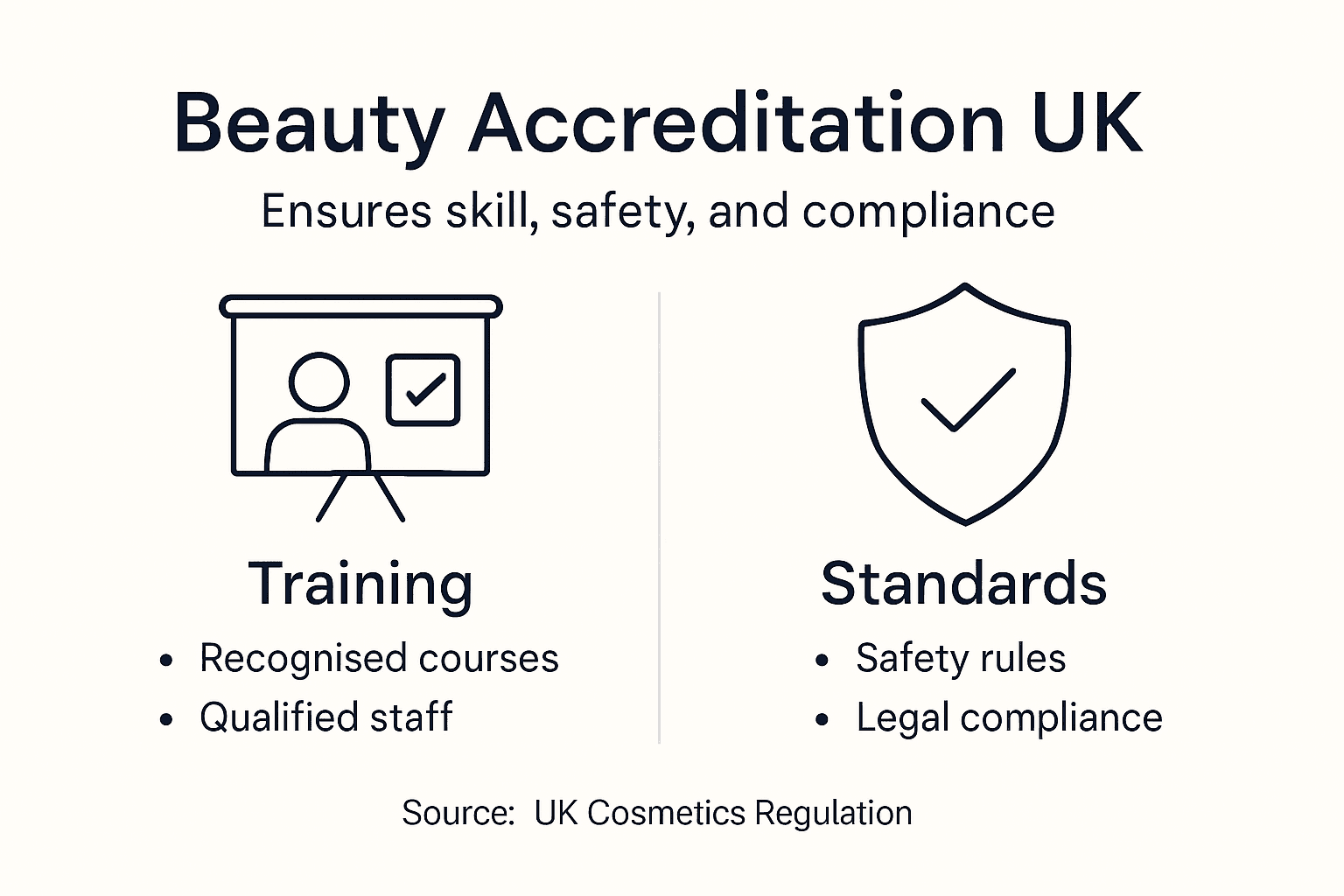
In the beauty therapy industry, accreditation represents far more than just a certificate. It is a comprehensive validation of professional competence, safety standards, and educational quality that directly impacts career opportunities and client trust. Understanding the nuanced role of accreditation is crucial for anyone pursuing a career in beauty therapy.
Accreditation in beauty therapy serves multiple critical purposes, ensuring practitioners meet rigorous professional standards:
- Validates professional training and skills
- Confirms compliance with national safety regulations
- Provides legal recognition of professional capabilities
- Demonstrates commitment to ongoing professional development
- Enhances credibility with potential clients and employers
The UK government is increasingly focused on establishing robust standards for beauty practitioners. Non-surgical cosmetic procedure licensing represents a significant step towards protecting consumer safety and maintaining high industry standards. These regulations aim to minimise risks associated with unregulated treatments and ensure practitioners possess appropriate skills and knowledge.
Moreover, accreditation involves comprehensive compliance with national product and treatment standards. UK Cosmetics Regulation requires beauty professionals to adhere to strict safety criteria, demonstrating that accreditation is not merely academic but a practical assurance of professional competence.
Pro tip: Research accrediting bodies thoroughly and select courses that provide recognised qualifications aligned with national standards.
Types of Accreditation and Awarding Bodies
In the beauty therapy sector, understanding the landscape of accreditation and awarding bodies is crucial for aspiring professionals seeking recognised qualifications. These organisations play a pivotal role in establishing and maintaining industry standards, ensuring that practitioners receive comprehensive and credible training.
The UK features several key awarding bodies that provide essential beauty therapy qualifications:
- VTCT Skills: Leading awarding organisation for beauty qualifications
- City & Guilds: Renowned for professional and technical education
- Pearson BTEC: Offers comprehensive vocational qualifications
- OCR (Oxford Cambridge and RSA): Provides regulated educational certifications
- ITEC (International Therapy Examination Council): Specialises in international beauty therapy standards
Regulated awarding organisations in the United Kingdom are carefully monitored by education authorities across England, Wales, Scotland, and Northern Ireland. These bodies ensure that vocational qualifications meet rigorous national occupational standards, providing learners with credible and transferable credentials.
Specifically, VTCT Skills qualifications cover levels 1 to 4, designed to develop professional competence and confidence in beauty therapy. These qualifications are widely recognised by employers and professional bodies, demonstrating their commitment to maintaining high industry standards.
Each awarding body has unique strengths and specialisations, offering various pathways for beauty professionals to develop their skills and advance their careers. Understanding the specific attributes of these organisations can help students make informed decisions about their professional education.
Here is a comparison of major UK awarding bodies in beauty therapy:
| Awarding Body | Unique Strengths | Typical Qualifications Offered |
|---|---|---|
| VTCT Skills | Sector-leading, industry-focused | Levels 1-4 diplomas, certificates |
| City & Guilds | Broad vocational scope | Professional and technical diplomas |
| Pearson BTEC | Comprehensive vocational coverage | National Diplomas, Certificates |
| OCR (Oxford, Cambridge and RSA) | Widely recognised, general education | Regulated certificates |
| ITEC | Internationally accepted standards | Diplomas in international therapy |
Pro tip: Always verify an awarding body’s Ofqual recognition before enrolling in any beauty therapy course to ensure your qualification will be nationally respected.
How Accreditation Impacts Career Opportunities
Accreditation is a game-changing factor for beauty professionals seeking to advance their careers in the competitive United Kingdom beauty industry. Professional credentials serve as a critical differentiator, transforming raw talent into recognised expertise that employers actively seek.
The key career advantages of professional accreditation include:
- Enhanced employability across top-tier beauty establishments
- Higher potential earnings and salary negotiations
- Greater credibility with clients and employers
- Access to advanced professional development opportunities
- Compliance with national health and safety standards
Licensing of non-surgical cosmetic procedures demonstrates how accreditation directly impacts career prospects by ensuring practitioners meet rigorous professional standards. Licensed professionals gain significant advantages in securing positions in reputable clinics and salons.
Moreover, achieving accredited qualifications like the Level 3 Diploma in Combined Beauty Therapy Skills confirms a practitioner’s comprehensive competence. These recognised credentials not only validate skills but also open pathways to advanced roles, including managerial positions and specialised treatment areas.
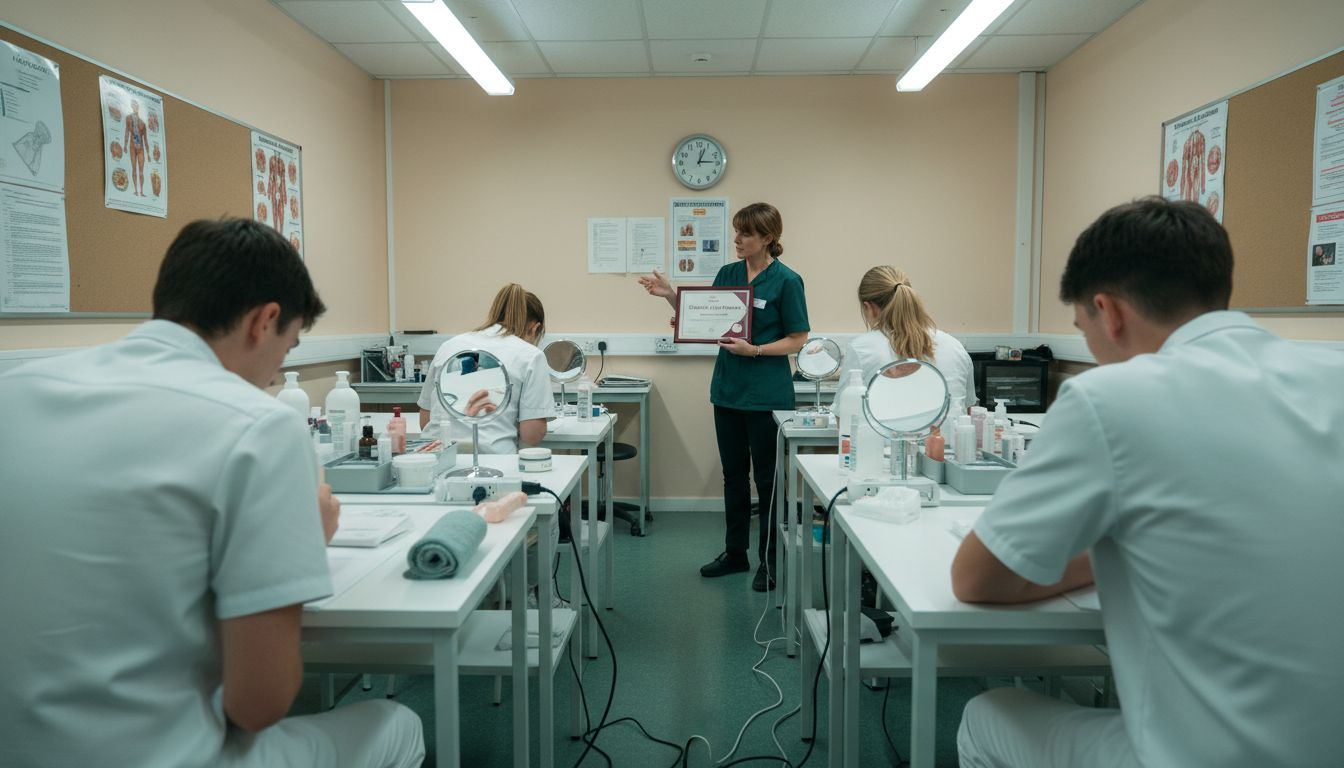
Professional networks and recruitment channels increasingly prioritise candidates with verified qualifications, making accreditation an essential investment in long-term career growth. Beauty therapists with recognised credentials can differentiate themselves in a crowded marketplace, demonstrating commitment to professional excellence.
Pro tip: Continuously update your professional qualifications and maintain active membership with recognised awarding bodies to maximise your career potential.
Legal Standards and Insurance Requirements
Navigating the complex landscape of legal standards in beauty therapy requires a comprehensive understanding of UK regulations and professional responsibilities. Practitioners must be well-versed in the legal framework that governs their professional practice, ensuring both client safety and professional credibility.
Key legal and insurance requirements for beauty professionals include:
- Mandatory professional indemnity insurance
- Compliance with health and safety regulations
- Proper premises registration and licensing
- Adherence to treatment-specific legal guidelines
- Maintenance of accurate client treatment records
Licensing of non-surgical cosmetic procedures represents a critical evolution in regulatory standards. These new frameworks aim to protect client safety by establishing clear guidelines for training, product use, and operational standards in beauty therapy practices.
Health and beauty practitioner registration is a crucial legal requirement for professionals. Local authorities mandate specific registration processes, with associated fees and compliance checks to ensure practitioners meet the necessary legal and professional standards.
Professional indemnity insurance stands as a critical safeguard for beauty therapists. This protection covers potential claims arising from treatment-related incidents, offering financial security and demonstrating a commitment to professional responsibility. Practitioners without adequate insurance risk significant financial and professional repercussions.
The following table summarises common legal compliance and insurance requirements in beauty therapy:
| Requirement | Description | Professional Impact |
|---|---|---|
| Professional Indemnity Insurance | Covers claims from treatment incidents | Protects against legal liability |
| Health & Safety Compliance | Adherence to national safety laws | Reduces workplace risks |
| Premises Registration | Official licensing with local authorities | Legitimises business operations |
| Record Keeping | Maintain client treatment records | Aids in dispute resolution |
Pro tip: Consult with a professional insurance broker specialising in beauty therapy to ensure comprehensive coverage that meets all current legal requirements.
Risks of Non-Accredited Courses in the UK
Choosing a non-accredited beauty therapy course represents a significant risk to professional aspirations and personal safety in the United Kingdom. Unverified training programmes can compromise a practitioner’s credibility, employability, and legal standing within the beauty industry.
The primary risks associated with non-accredited courses include:
- Inadequate and potentially dangerous practical training
- Limited recognition by professional employers
- Potential legal and insurance complications
- Inability to meet regulatory industry standards
- Reduced career progression opportunities
Non-surgical cosmetic procedure licensing highlights the critical need for properly regulated training. Government consultations emphasise that unaccredited courses may leave practitioners vulnerable to significant professional and legal risks.
Rise of unregulated aesthetic practitioners underscores the growing concern about inadequately trained professionals entering the beauty industry. Without proper accreditation, practitioners risk performing procedures without appropriate skills, potentially endangering client safety and their own professional reputation.
Moreover, non-accredited courses often fail to provide comprehensive training that meets current industry standards. This deficiency can result in practitioners being ill-equipped to handle complex treatment scenarios, use advanced techniques, or understand critical health and safety protocols.
Pro tip: Always verify a course’s accreditation status with official bodies like VTCT or City & Guilds before committing to any beauty therapy training programme.
Accelerate Your Beauty Therapy Career with Recognised Accreditation
Navigating the complexities of accreditation in the UK beauty industry can seem overwhelming. This article highlights the crucial need for certified, government-recognised qualifications to ensure your skills meet safety standards and maximise career opportunities. At Medisoma Academy, we understand these challenges and provide high quality, accredited beauty therapy courses designed to build your confidence and professional credibility quickly.
Our fast track programmes combine rigorous training with practical tips to help you thrive. Discover how improving your qualifications can enhance your employability and open doors to better roles. Explore how our courses support your growth in the competitive market by visiting Growing – Medisoma.
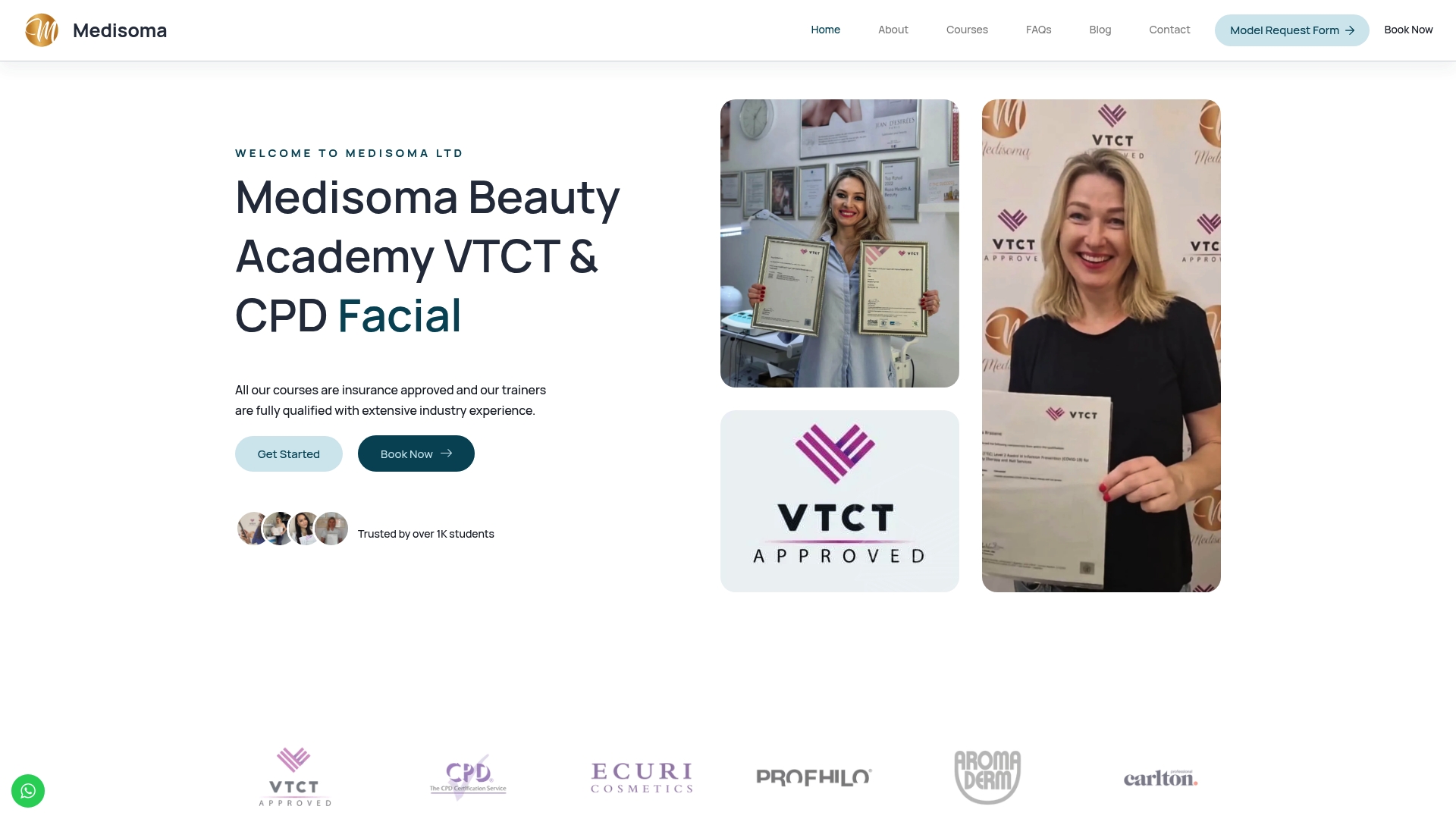
Start your journey with Medisoma today and transform your passion into a respected career. Benefit from expert teaching and nationally recognised certifications that align with UK standards. Take the next step to boost your career potential by browsing our Marketing – Medisoma resources and get inspired to monetise your skills with Monetizing – Medisoma. Visit us now at Medisoma Academy and secure your place in the ever-growing beauty therapy sector.
Frequently Asked Questions
What is the importance of accreditation in beauty therapy?
Accreditation in beauty therapy validates professional training and skills, ensures compliance with safety regulations, and enhances credibility with clients and employers, ultimately impacting career opportunities.
How does accreditation affect career opportunities in the beauty industry?
Accredited qualifications improve employability, allow for higher potential earnings, provide greater credibility, and open up advanced professional development opportunities in the competitive beauty sector.
What are the key legal requirements for beauty practitioners?
Key legal requirements include mandatory professional indemnity insurance, compliance with health and safety regulations, proper premises registration, and accurate client treatment records, ensuring safety and professionalism in practice.
What are the risks of choosing a non-accredited beauty therapy course?
Choosing a non-accredited course can lead to inadequate training, limited recognition by employers, potential legal complications, and reduced career progression, compromising both professional credibility and client safety.